WHY AGRICULTURE?
According to Wikipedia, “Agriculture in Papua New Guinea has more than a 7,000-year-old history and developed out of pre-agricultural plant/food collecting and cultivation traditions of local hunter-gatherers. Currently, around 85% of Papua New Guinea’s population lives from semi-subsistence agriculture. 86% of all food energy consumed in Papua New Guinea is locally sourced.
Papua New Guinea produces and exports agricultural, timber, and fish products. Agriculture in 2017 accounted for 22.1% of the GDP and supported more than 80% of the population. Cash crops ranked by value are coffee, oil, cocoa, copra, tea, rubber, and sugar. The timber industry was not active in 1998 due to low world prices but rebounded in 1999. About 40% of the country is covered with timber-rich trees, and a domestic woodworking industry has been slow to develop. 99% of fishing exports are either tuna or tuna byproduct. Papua New Guinea has the largest yam market in Asia” (Agriculture in Papua New Guinea – Wikipedia).
So, to get straight to the point: Agriculture is part and partial of being a Papua New Guinean and it contributes to a substantial amount of our country’s revenue. But it’s sadly not being seen as a solution to reducing the unemployment rate in the country, by means of massive participation and involvement by the new generation who are continuously facing this issue. It is heavily underestimated.
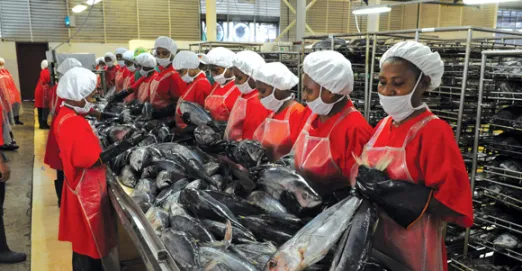
Image 2: Fish Processing somewhere in PNG
Agriculture should be a significant solution to unemployment in Papua New Guinea for several reasons:
- Abundant Natural Resources: Papua New Guinea has rich and diverse natural resources, including fertile soil, a favorable climate, and vast tracts of arable land. These resources provide a strong foundation for agricultural development, which can create numerous job opportunities.
- Labor-Intensive: Agriculture is inherently labor-intensive, requiring a significant workforce for tasks such as planting, harvesting, and tending to crops and livestock. This can absorb a substantial portion of the labor force and reduce unemployment rates.
- Rural Employment: A large portion of the population in Papua New Guinea lives in rural areas, where agriculture is often the primary livelihood. Expanding agricultural activities can offer employment opportunities to those living in these regions, reducing rural-to-urban migration and easing the burden on urban centers.
- Diversification: Encouraging a diverse range of agricultural activities, including crop cultivation, livestock farming, aquaculture, and agroforestry, can create various job roles for people with different skills and interests.
- Value Chain Development: Developing the entire agricultural value chain, from production to processing and marketing, can generate additional employment opportunities in areas such as food processing, transportation, and marketing.
- Export Potential: Papua New Guinea has the potential to export agricultural products, particularly to neighboring countries in the Asia-Pacific region. Expanding exports can lead to job creation, as it often requires increased production and processing capacity.
- Smallholder Agriculture: Supporting smallholder farmers by providing them with access to training, resources, and markets can empower rural communities and generate employment for a large number of people.
- Sustainable Practices: Promoting sustainable agricultural practices can lead to long-term employment opportunities in areas such as organic farming, agroecology, and environmental conservation.
- Youth Engagement: Encouraging young people to pursue careers in agriculture by providing training and incentives can address youth unemployment and help revitalize the sector with fresh ideas and innovation.
- Economic Growth: A thriving agricultural sector can contribute significantly to economic growth, which, in turn, can create jobs in related sectors such as services, construction, and infrastructure development.
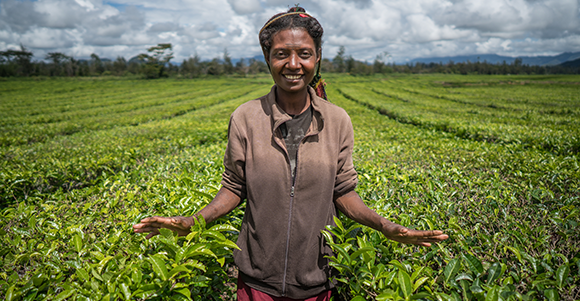
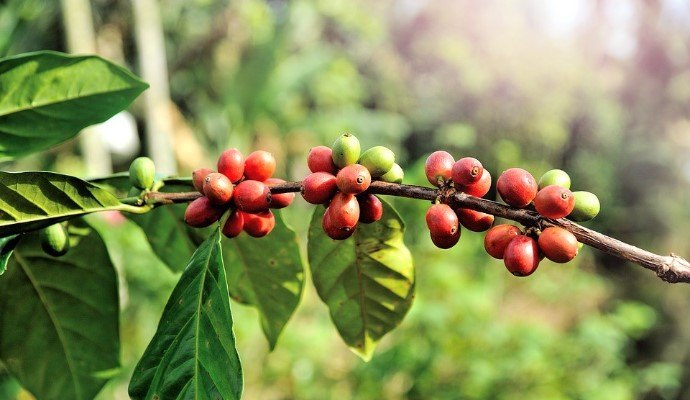
Image 3: Tea grower somewhere in PNG
BARRIERS
But unfortunately, several factors have also been detrimental to the growth and investment in agriculture in Papua New Guinea, which I believe has caused a lack of interest in the next generation to take it on to get out of unemployment:
- Land Tenure Issues: Complex and insecure land tenure systems can hinder investment in agriculture. Disputes over land ownership, lack of clear land titles, and customary land practices can deter investors and make it difficult for farmers to access land for cultivation.
- Infrastructure Deficiencies: Inadequate transportation infrastructure, including roads, bridges, and ports, can increase the cost of transporting agricultural products to markets, reducing the competitiveness of local produce.
- Limited Access to Finance: Many small-scale farmers and agricultural businesses in Papua New Guinea have limited access to credit and financial services, which can impede their ability to invest in modern farming equipment, technology, and inputs.
- Low Agricultural Productivity: Low productivity due to outdated farming practices, limited access to modern farming techniques, and insufficient agricultural extension services can reduce the attractiveness of agriculture as an investment.
- Climate Change Vulnerability: Papua New Guinea is highly vulnerable to climate change, with increased frequency of extreme weather events, which can lead to crop failures and loss of livestock, posing a significant threat to agricultural investments.
- Pest and Disease Outbreaks: The agricultural sector is susceptible to outbreaks of pests and diseases that can devastate crops and livestock. Inadequate pest and disease management can discourage investment.
- Market Access Challenges: Limited access to markets, both domestic and international, can hinder the growth of agriculture. Issues such as transportation bottlenecks, inconsistent quality standards, and market information gaps can affect market participation.
- Lack of Post-Harvest Infrastructure: Insufficient post-harvest handling and storage facilities can result in high post-harvest losses, reducing the profitability of agriculture and discouraging investment in value addition.
- Policy and Regulatory Barriers: Inconsistent and unclear policies, regulations, and taxation can create uncertainty for investors in the agricultural sector. Streamlining and clarifying these aspects of the business environment is essential for attracting investment.
- Limited Access to Technology: Limited access to modern agricultural technologies and practices, including mechanization, irrigation, and improved seed varieties, can constrain productivity and competitiveness.
- Rural Poverty and Limited Education: High levels of rural poverty and limited access to education in rural areas can hinder the development of a skilled agricultural workforce and reduce the capacity for innovation in the sector.
- Political Instability: Political instability and governance challenges can create an uncertain business environment, making it difficult for investors to commit to long-term agricultural projects.
- Land Degradation: Unsustainable land use practices, such as deforestation and soil erosion, can lead to land degradation, reducing the long-term viability of agriculture.
Addressing these challenges requires a multi-faceted approach, including policy reforms, infrastructure development, access to finance, education and training, climate resilience strategies, and efforts to improve market access and post-harvest handling. By addressing these factors, Papua New Guinea can create a more conducive environment for agricultural growth and investment, and ultimately, a sustainable environment for self-employment which can lessen the effects of unemployment in PNG. (Source, ChatGPT (openai.com))
FUTURE PROSPECTS
With the recent visit by our Prime Minister of PNG to Israel, we hope that the strengthened ties between our nations can enhance agriculture in PNG (“OUTCOMES FROM PM MARAPE’S FIRST OFFICIAL VISIT TO THE STATE OF ISRAEL” — News — PNG Business News). The promotion of Agriculture as a viable solution to unemployment needs to be taken on seriously by all relevant stakeholders in charge to boost interest in our younger generation to seriously look into taking on agribusiness in PNG, not just at the farming level but throughout the entire supply chain, policy creation, environmental sustainability, etc. I believe that is the key to building interest in the sector once again, as the sector requires specialized knowledge to create a streamlined process that connects our farmers with the world food market. Hopefully the ties with the Israelis or any other foreign investors and help build that and encourage the next generation to look into what’s currently available in PNG to take agribusiness on an informal form of employment or entrepreneurship and also look forward to the advances in agriculture that the Israelis can offer PNG.
Thanks for reading, leave a comment, share this blog and until next time… #WokEmWok #ThePNGRecruiter

Image 4: PNG PM Marape meeting Israeli PM Benjamin Netanyahu in Sep 2023
(NOTE: All images taken from 3rd party sources on the internet)