For a limited time only, we’ll be putting our JOBSEARCH ESSENTIALS FOR PAPUA NEW GUINEANS COURSE for FREE on our Youtube Channel.
The 1st lesson drops titled HOW TO CREATE A COVER LETTER (THE WAY RECRUITERS LIKE) IS OUT NOW!
This is a great opportunity for everyone in PNG to learn from the guys at THE PNG RECRUITER LIMITED for FREE on HOW TO DESIGN YOUR COVER LETTER, HOW TO FORMAT IT, THE VARIOUSE PARTS OF IT and WHAT TO TYPE IN IT.
We encourage students, teachers, parents or anyone who wants to learn how to do great Cover Letters for Free to sign up, as we’ll be releasing more videos of our online course in the coming months. Click on the video link above, enjoy your learning , let us know what you think and remember…… #WokEmWok#ThePNGRecruiter
In light of Prime Minister James Marape’s recent call for youths to create their own employment (Link to news article:https://www.postcourier.com.pg/uyep-create-jobs-for-youth/ , article image take from this too) , it is essential to explore practical ways the young people of Papua New Guinea can generate their own job opportunities. With the job market limited, particularly for university graduates, self-employment and entrepreneurship become viable paths. Here are ten ways PNG youth can take charge of their futures:
1. **Start a Small Business**: From retail to services, small businesses can cater to local needs. E.g, selling Phone Credits, food at schools, water at sports events, etc.
2. **Embrace Agriculture**: Farming and agriculture are untapped sectors with enormous potential for local and export markets.
3. **Handicrafts and Traditional Arts**: PNG’s rich culture can be a source of income through arts and crafts sold to tourists.
4. **Technology and Innovation**: Youth can leverage technology to offer services such as web development, digital marketing, or app development. E.g, creating and selling an online course on a topic of interest of yours online on the ReeLae online learning platform (Link to site: https://courses.reelae.com/?v=322b26af01d5).
5. **Freelance Services**: Skills in graphic design, writing, or virtual assistance can be monetized through freelance platforms.
LEARN ABOUT OUR JOBSEARCH ESSENTIALS FOR PAPUA NEW GUINEANS ONLINE COURSE HERE: https://courses.reelae.com/courses/job-search-essentials-for-papua-new-guineans/?v=322b26af01d5
6. **Tourism Initiatives**: Creating unique local tours or accommodations can attract both local and international visitors.
7. **Food and Catering Services**: There’s always a demand for food, and catering can start small and grow as clientele increases.
8. **Youth Cooperatives**: Group efforts in sectors like farming or fishing can lead to shared success. Cleaning around your neighbourhoods, towns is another form of this.
9. **Education and Training**: Offering tutoring services or vocational training in specific skills can address local educational needs.
10. **Social Entrepreneurship**: Addressing social issues while making a profit, such as recycling or community health initiatives, can also create jobs.
By exploring these opportunities, the youth of Papua New Guinea can not only secure their own futures but also contribute to the nation’s economic growth.
Thanks for reading and let us know if you have any questions on this topic. #WokEmWok #ThePNGRecruiter
Are you tired of sending out countless applications without any response? Feeling overwhelmed with the job search process? Look no further! We’re here to offer you personalized assistance and guidance every step of the way.
? Who Can Benefit from Our Services?
– Working professionals seeking to polish their CVs and enhance their job search strategies.
– Parents whose children are in need of employment opportunities to stay engaged and gain valuable experience.
– Tertiary level students juggling studies and job hunting.
– Seasoned professionals exploring new career paths while excelling in their current roles.
– SME’s to big corporates looking for the right talent to join their organizations.
? Why Choose Us?
Meet Mr. Douglas Banimbi, the driving force behind The PNG Recruiter Limited, bringing over 9 years of expertise in manpower recruitment across diverse industries. With a Bachelor’s Degree in Human Resource Management and ongoing professional development with the PNG Human Resources Institute, Douglas is committed to delivering top-tier, customized services tailored to your unique needs.
When you partner with us, you’re not just accessing unparalleled expertise; you’re supporting a mission to empower Papua New Guineans in their career pursuits. Our extensive network, boasting over 7,834 connections and 33,945 followers on LinkedIn (Company and Personal Profiles combined), ensures that we have our eyes on every opportunity available for job seekers. Plus, our rapidly expanding talent network guarantees that organizations have access to top-notch candidates for their vacancies.
Don’t let job hunting stress you out any longer. Trust in our proven track record and let us guide you towards success. Get in touch today and take the first step towards your dream career and that top talent for your company! ?
According to the above article, “The Announcement was done during TotalEnergies Inaugural Suppliers Forum in Port Moresby (on the 4th of December, 2023) with businesses in PNG receiving comprehensive information on project packages during the early works period.”
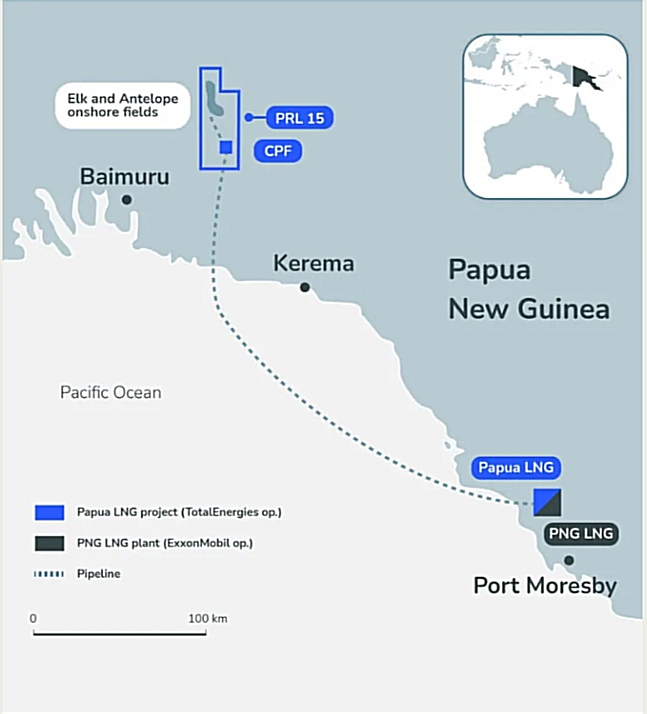
Image 1: Map of the Papua LNG Project Area. Taken from Papua LNG Website (https://papualng.com.pg/papua-lng/project/)
SO WHAT EXACTLY IS THE EPC STAGE OF AN LNG PROJECT AND WHAT DOES IT CONSIST OF?
Well the name says it all as mentioned above also, EPC is the Engineering, Procurement, Construction Phase of a Liquid Natural Gas Project and it consists of these 3 fields of expertise which are explained in more detail below:
Image 2: Taken from Papua LNG Website (https://papualng.com.pg/papua-lng/project/)
1. Engineering:
Detailed engineering design is carried out, including process design, equipment specifications, and overall facility layout. This phase ensures that all aspects of the project are well-defined before construction begins.
2. Procurement:
The necessary materials, equipment, and services are procured based on the engineering specifications. This involves sourcing, purchasing, and delivering all the components required for construction.
3. Construction:
The actual physical construction of the LNG facility takes place during this phase. It includes site preparation, foundation work, structural assembly, installation of equipment, and the construction of supporting infrastructure.
The EPC phase is crucial for turning the project’s conceptual design into a tangible and operational LNG facility. It aims to deliver the project on time, within budget, and meeting the specified quality and safety standards.
Image 3 taken from Papua LNG Website (https://papualng.com.pg/papua-lng/project/)
NOW, WHAT JOBS CAN WE EXPECT FROM VINCI CONSTRUCTION SPIECAPAG NIUGINI LIMITED (EPC PHASE CONTRACT WINNER OF THE PAPUA LNG PROJECT)?
Several job roles are critical for the successful completion of the Engineering, Procurement, and Construction (EPC) stage in a Liquid Natural Gas (LNG) project. Here are some key positions:
1. Project Manager: Oversees the entire project, ensuring that it stays on schedule, within budget, and meets quality and safety standards.
2. Engineering: Includes various engineers such as process engineers, mechanical engineers, electrical engineers, and civil/structural engineers responsible for detailed design and technical aspects.
3. Procurement Specialists: Handle the sourcing, purchasing, and delivery of materials and equipment needed for the project.
4. Construction ManagersandSkilledLabourers Manages on-site construction activities and Labourers, coordinating with various contractors and ensuring adherence to project specifications.
5. Health, Safety, and Environment (HSE) Specialists: Focus on maintaining a safe working environment and ensuring compliance with environmental regulations.
6. Quality Assurance/Quality Control (QA/QC) Inspectors: Monitor and assess the quality of construction work to ensure it meets established standards.
7. Schedulers and Planners: Develop project schedules, allocate resources, and plan activities to ensure timely completion.
8. Cost Estimators and Controllers: Estimate project costs and monitor expenditures to ensure the project stays within budget.
9. Logistics and Supply Chain Specialists: Manage the logistics of transporting materials and equipment to the construction site.
10. Site Supervisors: Oversee day-to-day construction activities on-site, coordinating with various contractors and ensuring progress aligns with the project schedule.
11. Metal Fabricators, Boilermakers and Welders:Metal Fabricators, welders and boilermakers contribute heavily to the fabrication and assembly of the intricate infrastructure needed for LNG projects. Their work is integral to ensuring the structural integrity and safety of the constructed facilities during the EPC stage. 12. Surveyors
Surveyors play a critical role in ensuring the accuracy and alignment of construction activities, contributing to the overall success of the EPC stage in LNG projects. I appreciate your inquiry, and it’s important to recognize the diverse roles that collectively make these projects successful.
13. Light and Heavy Vehicle Mechanics
Mechanics are indeed integral to the Engineering, Procurement, and Construction (EPC) stage of an LNG project. Their roles involve the maintenance, repair, and assembly of heavy machinery and equipment necessary for construction.
These roles collectively contribute to the successful execution of the EPC stage, each playing a crucial part in their respective areas of expertise.
14. Electricians
Electricians contribute significantly to the overall safety, functionality, and efficiency of an LNG project during the EPC phase. They will be required for installing safety systems, instrumentations, control systems, power systems and working closely with project engineers and managers
Image 5: Business Reps at the TotalEnergies Suppliers Forum at the Hitlon Hotel, December 4, 2023.
THE PNG RECRUITER’S HOT TIP:
If you’re interested in taking part in the EPC Stage
*Do research on Vinci Construction Terrassement SpieCapag Niugini Limited. Their background, history, where their Headquarters are, etc. We did research for them but couldn’t find a website but eventually information should be released to the public, most likely released when the job adverts for the project in 2024 via jobs boards or print media.
*Monitor all social platforms (LinkedIn, Facebook, etc.) they are on to keep up to date on vacancies for the EPC Stage of the Papua LNG
Those are our best tips we can give you but if you have any more you’d like to add on, do so in the comments here or whatever social platforms you see this posted on. Any discussion is healthy towards obtaining knowledge.
The next part of the project will be the Commissioning and Start Up Stage 2027 so we’ll be covering it when it happens or sooner.
Rugby League is the national sport of Papua New Guinea and for our country to have a team in the National Rugby League competition by 2025 would fulfill the dream of a Nation, as most would say.
Some would say also that we are not ready to have a team due to all the socio-economic hardships our people are facing now; that our government needs to actively resolve them first before pursuing such as it would be more wise and useful spending of funds to do so before massive amounts of money such as the above mentioned are pumped into this venture.
Well, should the bid be successful (thanks to the Australian Federal Government’s funding, which has turned the bid into the likely one to win the next NRL license) we need to be prepared for the job opportunities and businesses that can be generated from such a venture.
JOB OPPORTUNITIES TO BE CREATED FROM A SUCCESSFUL PNG NRL TEAM BID
Some of the job opportunities to be created from our NRL bid being successful are as listed below:
Team Management and Coaching Staff:
Head Coach
Assistant Coaches
Team Manager
Performance Analysts
Sports Scientists
Player Support and Development:
Player Development Officers
Talent Scouts
Youth Coaches
Physiotherapists
Nutritionists
Administrative Roles:
Team Administrator
Operations Manager
Marketing and Public Relations Specialists
Finance and Accounting Professionals
Legal Counsel for the Team
Event Management and Logistics:
Event Coordinator
Travel Coordinators
Logistics Managers
Venue Operations Staff
Medical and Health Services:
Team Doctors
Physiotherapists
Sports Massage Therapists
Sports Psychologists
Media and Broadcasting:
Media Relations Manager
Social Media Managers
Broadcast Production Crew
Journalists and Content Creators
Merchandising and Sales:
Merchandising Manager
Sales Representatives
E-commerce Specialists
Community Engagement:
Community Relations Officers
Youth Development Coordinators
Grassroots Rugby Coaches
Sponsorship and Partnership Development:
Sponsorship Managers
Partnership Development Officers
Corporate Relations Specialists
Technology and Analytics:
Data Analysts
Technology Support Staff
Performance Analysts
Security and Safety:
Security Officers
Safety and Compliance Officers
Medical Emergency Response Team
Hospitality and Fan Engagement:
Hospitality Managers
Fan Engagement Coordinators
Event Hosts and Ambassadors
This diverse range of roles spans across various sectors, providing a comprehensive overview of potential job opportunities arising from Papua New Guinea’s potentially successful bid in the National Rugby League competition.
But apart from direct employment creation, spin- effects will be felt positively in various sectors of the PNG Business Environment. Here below are a few of them we believe will experience a surge in business activity should our country enter the NRL:
Hospitality Industry: – Local restaurants, cafes, and bars may experience increased patronage from fans attending matches and related events.
Retail and Merchandising: – Local shops and businesses selling team merchandise can benefit from heightened demand for jerseys, memorabilia, and other fan gear.
Tourism and Accommodation: – Hotels, guesthouses, and other accommodations may see increased bookings as fans and teams travel to and from Papua New Guinea for matches.
Transportation Services: – Local transport services, including taxis, buses, and car rentals, may experience higher demand on game days and during team-related events.
Media and Advertising: – Local advertising agencies and media outlets can benefit from increased advertising and promotional activities associated with the NRL team.
Event Management Services: – Companies specializing in event planning, security services, and logistics stand to gain from organizing matches, fan events, and related activities.
Health and Wellness: – Local fitness centers, wellness facilities, and healthcare providers may experience increased engagement as the focus on sports and fitness grows with the presence of an NRL team.
Construction and Infrastructure: – Infrastructure development for stadiums or venue upgrades can boost local construction businesses and create job opportunities.
Technology and Entertainment: – Local technology providers and entertainment services may see increased demand for services related to fan engagement, ticketing, and broadcasting.
Sponsorship and Corporate Partnerships: – Local businesses that align with the team’s values and interests may find opportunities for sponsorship and partnerships, enhancing their brand visibility.
Community and Grassroots Sports: – Local sports clubs and organizations may experience increased support and participation as interest in rugby and related activities grows.
Education and Training: – Training programs for sports-related careers, such as coaching and sports science, may see higher enrollment as interest in rugby and sports management rises.
The positive impact on local businesses extends beyond the immediate sports and entertainment sector, fostering economic growth and community development.
What factors will make all the above mentioned thrive?
In order for all the above to work well, the below listed would be required on an ongoing basis to maintain consistency of high level results and success in the NRL and as a professional Rugby League Team:
Effective Marketing and Promotion: – Strategic marketing efforts to create awareness and build excitement around the team, its matches, and associated events are crucial for attracting fans and sponsors.
Community Engagement: – Active involvement in the local community, including outreach programs, youth development initiatives, and grassroots events, fosters a strong fan base and positive relationships.
Strategic Partnerships: – Building strong partnerships with local businesses, sponsors, and community organizations can enhance the team’s financial stability and contribute to the overall success of associated ventures.
High-Quality Fan Experience: – Ensuring an enjoyable and inclusive experience for fans during matches and events encourages repeat attendance and strengthens the team’s connection with its supporters, whom not only will be from Papua New Guinea but from around the Asia Pacific region and world.
Player Development and Performance: – Investing in the development of local talent, maintaining a competitive team, and achieving success on the field contribute to the team’s overall appeal and marketability.
Efficient Operations and Management: – Effective management of team operations, including finances, logistics, and administrative functions, is essential for long-term sustainability and success.
Innovative Technology Integration: – Leveraging technology for fan engagement, ticketing, broadcasting, and data analytics can enhance the overall experience and keep the team at the forefront of industry trends.
Corporate Social Responsibility (CSR): – Demonstrating a commitment to social and environmental responsibility through CSR initiatives strengthens the team’s reputation and connection with the community.
Strong Leadership: – Leadership that is visionary, adaptable, and capable of making strategic decisions is essential for navigating challenges and capitalizing on opportunities.
Effective Communication: – Transparent and open communication with fans, sponsors, and the community helps build trust and loyalty, contributing to the overall success of the team and associated businesses. E.g, either in a win or a loss, the club still has to front up to the media to discuss their performance to maintain professionalism with fans, the public and be great ambassadors of all their sponsors.
Infrastructure Development: – Investing in modern and well-equipped stadiums, training facilities, and infrastructure contributes to the team’s professionalism and attractiveness to fans, players, and sponsors.
Adaptability to Market Trends: – Staying informed and adaptive to evolving market trends, fan preferences, and industry changes allows the team and associated businesses to remain relevant and competitive. E.g, using social media platforms to leverage off current trends to maintain engagement with fans, increase product awareness for it’s sponsors to the wider NRL competition.
The synergy of these factors creates an environment where the team and local businesses can thrive, fostering economic growth and community development.
At the end of the day, this is will be a opportunity that can greatly affect all who are involved in the sport and all businesses that potentially can benefit for this venture. But ultimately, it has the potential to increase the prosperity of Papua New Guinea if it is managed well. Let’s see what happens…
It’s coming to the end of the year and between the month’s of early November 2023 to late January 2024 graduates will be undergoing Graduate Development Programs (GDP), seeking internships and on-job-trainings during the festive period.
Not sure what the requirements are these days for obtaining internships/OJTs with organisations but I am aware of a couple GDPs that require interested applicants to have a Grade Point Average (GPA) of 3.5 and above.
That would mean only the cream of PNG’s Universities will have a chance at entering GDP’s for those organisations offering it, which are arguably some of the best organisations to work for, in terms of benefits and salary packages on offer, career development and progression and so on.
So what happens to those who didn’t rise to the top to be with those who scored 3.5 and above GPAs? Where does the kid with a GPA of 2 go to since obviously they won’t be considered for any of the GDP’s out there now?
Compared to the fair number of kids who’ve scored the required GPA’s to be considered for GDP’s, I bet you there is an even higher number of university graduates who haven’t achieved that GPA. So what happens to these huge number of Graduates that meet this category?
To be frank, I was never a top scoring pupil in university. I always lined up all the Credits, Passes and Conceded Passes. And by the time I was able to graduate, I did with a GPA of 2. That made my experience as a recent university graduate one of the most toughest experiences in my life, as no employer wanted to hire a kid with what is considered “below average grades”.
It took 12 months before I could nail a job and that was through a friend from university who needed a temp to fill in for a staff who was going for their maternity leave. If I hadn’t established good contacts in university, I believe it would have taken a bit longer to have a found employment. Eventually I was made permanent, made the most of my chances and the rest is history. My story is just an example of an untapped pool of talent that’s been shunned by the system that’s ready and rearing for an opportunity to work: graduates who haven’t met the GPA requirements. I was one of them and I know their plight.
All the top organisations are busy fighting over the best talent in the country to join them through their GDP programs and they’re forgetting we have a whole heap of graduates who have the qualifications and have come from the same higher learning institutions the cream of the crop but are left behind due to missing a few points to their GPA’s.
A reminder to organisations in PNG to not forget that untapped pool of talent, if your struggling to compete against the big corporates for those top talents, why not give a chance to those kids with below 3.5 GPAs? I’m sure they’ll appreciate the opportunity, not demand too much pay, be fast in learning on the job and they’ll give their all. You tapping into this overlooked pool of talent will most likely save your organisation money, time and resources and ultimately, help relieve the country of it’s prevailing unemployment issue. #WokEmWok #ThePNGRecruiter
According to Wikipedia, “Agriculture in Papua New Guinea has more than a 7,000-year-old history and developed out of pre-agricultural plant/food collecting and cultivation traditions of local hunter-gatherers. Currently, around 85% of Papua New Guinea’s population lives from semi-subsistence agriculture. 86% of all food energy consumed in Papua New Guinea is locally sourced.
Papua New Guinea produces and exports agricultural, timber, and fish products. Agriculture in 2017 accounted for 22.1% of the GDP and supported more than 80% of the population. Cash crops ranked by value are coffee, oil, cocoa, copra, tea, rubber, and sugar. The timber industry was not active in 1998 due to low world prices but rebounded in 1999. About 40% of the country is covered with timber-rich trees, and a domestic woodworking industry has been slow to develop. 99% of fishing exports are either tuna or tuna byproduct. Papua New Guinea has the largest yam market in Asia” (Agriculture in Papua New Guinea – Wikipedia).
So, to get straight to the point: Agriculture is part and partial of being a Papua New Guinean and it contributes to a substantial amount of our country’s revenue. But it’s sadly not being seen as a solution to reducing the unemployment rate in the country, by means of massive participation and involvement by the new generation who are continuously facing this issue. It is heavily underestimated.
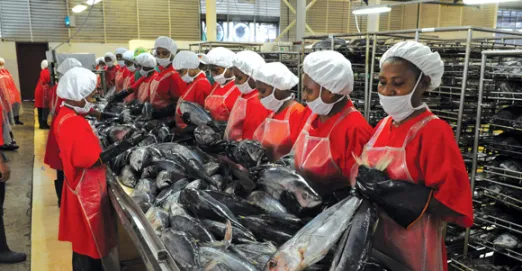
Image 2: Fish Processing somewhere in PNG
Agriculture should be a significant solution to unemployment in Papua New Guinea for several reasons:
Abundant Natural Resources: Papua New Guinea has rich and diverse natural resources, including fertile soil, a favorable climate, and vast tracts of arable land. These resources provide a strong foundation for agricultural development, which can create numerous job opportunities.
Labor-Intensive: Agriculture is inherently labor-intensive, requiring a significant workforce for tasks such as planting, harvesting, and tending to crops and livestock. This can absorb a substantial portion of the labor force and reduce unemployment rates.
Rural Employment: A large portion of the population in Papua New Guinea lives in rural areas, where agriculture is often the primary livelihood. Expanding agricultural activities can offer employment opportunities to those living in these regions, reducing rural-to-urban migration and easing the burden on urban centers.
Diversification: Encouraging a diverse range of agricultural activities, including crop cultivation, livestock farming, aquaculture, and agroforestry, can create various job roles for people with different skills and interests.
Value Chain Development: Developing the entire agricultural value chain, from production to processing and marketing, can generate additional employment opportunities in areas such as food processing, transportation, and marketing.
Export Potential: Papua New Guinea has the potential to export agricultural products, particularly to neighboring countries in the Asia-Pacific region. Expanding exports can lead to job creation, as it often requires increased production and processing capacity.
Smallholder Agriculture: Supporting smallholder farmers by providing them with access to training, resources, and markets can empower rural communities and generate employment for a large number of people.
Sustainable Practices: Promoting sustainable agricultural practices can lead to long-term employment opportunities in areas such as organic farming, agroecology, and environmental conservation.
Youth Engagement: Encouraging young people to pursue careers in agriculture by providing training and incentives can address youth unemployment and help revitalize the sector with fresh ideas and innovation.
Economic Growth: A thriving agricultural sector can contribute significantly to economic growth, which, in turn, can create jobs in related sectors such as services, construction, and infrastructure development.
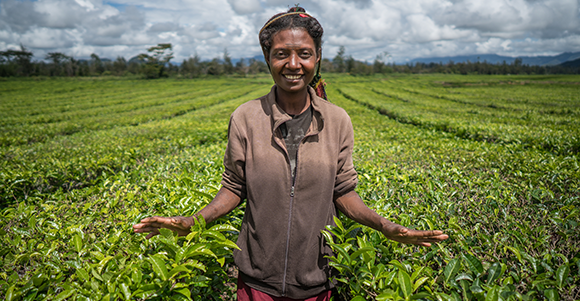
Image 3: Tea grower somewhere in PNG
BARRIERS
But unfortunately, several factors have also been detrimental to the growth and investment in agriculture in Papua New Guinea, which I believe has caused a lack of interest in the next generation to take it on to get out of unemployment:
Land Tenure Issues: Complex and insecure land tenure systems can hinder investment in agriculture. Disputes over land ownership, lack of clear land titles, and customary land practices can deter investors and make it difficult for farmers to access land for cultivation.
Infrastructure Deficiencies: Inadequate transportation infrastructure, including roads, bridges, and ports, can increase the cost of transporting agricultural products to markets, reducing the competitiveness of local produce.
Limited Access to Finance: Many small-scale farmers and agricultural businesses in Papua New Guinea have limited access to credit and financial services, which can impede their ability to invest in modern farming equipment, technology, and inputs.
Low Agricultural Productivity: Low productivity due to outdated farming practices, limited access to modern farming techniques, and insufficient agricultural extension services can reduce the attractiveness of agriculture as an investment.
Climate Change Vulnerability: Papua New Guinea is highly vulnerable to climate change, with increased frequency of extreme weather events, which can lead to crop failures and loss of livestock, posing a significant threat to agricultural investments.
Pest and Disease Outbreaks: The agricultural sector is susceptible to outbreaks of pests and diseases that can devastate crops and livestock. Inadequate pest and disease management can discourage investment.
Market Access Challenges: Limited access to markets, both domestic and international, can hinder the growth of agriculture. Issues such as transportation bottlenecks, inconsistent quality standards, and market information gaps can affect market participation.
Lack of Post-Harvest Infrastructure: Insufficient post-harvest handling and storage facilities can result in high post-harvest losses, reducing the profitability of agriculture and discouraging investment in value addition.
Policy and Regulatory Barriers: Inconsistent and unclear policies, regulations, and taxation can create uncertainty for investors in the agricultural sector. Streamlining and clarifying these aspects of the business environment is essential for attracting investment.
Limited Access to Technology: Limited access to modern agricultural technologies and practices, including mechanization, irrigation, and improved seed varieties, can constrain productivity and competitiveness.
Rural Poverty and Limited Education: High levels of rural poverty and limited access to education in rural areas can hinder the development of a skilled agricultural workforce and reduce the capacity for innovation in the sector.
Political Instability: Political instability and governance challenges can create an uncertain business environment, making it difficult for investors to commit to long-term agricultural projects.
Land Degradation: Unsustainable land use practices, such as deforestation and soil erosion, can lead to land degradation, reducing the long-term viability of agriculture.
Addressing these challenges requires a multi-faceted approach, including policy reforms, infrastructure development, access to finance, education and training, climate resilience strategies, and efforts to improve market access and post-harvest handling. By addressing these factors, Papua New Guinea can create a more conducive environment for agricultural growth and investment, and ultimately, a sustainable environment for self-employment which can lessen the effects of unemployment in PNG. (Source, ChatGPT (openai.com))
FUTURE PROSPECTS
With the recent visit by our Prime Minister of PNG to Israel, we hope that the strengthened ties between our nations can enhance agriculture in PNG (“OUTCOMES FROM PM MARAPE’S FIRST OFFICIAL VISIT TO THE STATE OF ISRAEL” — News — PNG Business News). The promotion of Agriculture as a viable solution to unemployment needs to be taken on seriously by all relevant stakeholders in charge to boost interest in our younger generation to seriously look into taking on agribusiness in PNG, not just at the farming level but throughout the entire supply chain, policy creation, environmental sustainability, etc. I believe that is the key to building interest in the sector once again, as the sector requires specialized knowledge to create a streamlined process that connects our farmers with the world food market. Hopefully the ties with the Israelis or any other foreign investors and help build that and encourage the next generation to look into what’s currently available in PNG to take agribusiness on an informal form of employment or entrepreneurship and also look forward to the advances in agriculture that the Israelis can offer PNG.
Thanks for reading, leave a comment, share this blog and until next time… #WokEmWok #ThePNGRecruiter
Image 4: PNG PM Marape meeting Israeli PM Benjamin Netanyahu in Sep 2023
(NOTE: All images taken from 3rd party sources on the internet)