The PNG Recruiter Limited

Categories
Papua LNG Recruitment

Papua LNG EPC Stage 2024: What Jobs To Expect

It was reported in the Post Courier Newspaper on the 5th of December, 2023 that Total Energies awarded the first Engineering, Procurement, Construction (EPC) contract to Vinci Construction Terrassement SpieCapag Niugini Limited (https://www.postcourier.com.pg/totalenergies-awards-first-epc-contract-for-papua-lng/?fbclid=IwAR3UWxPzgS17sAYWdZyLawQARlzEIMPXVQMtyc12zwq_M1lHWZ4-x0bqiVohttps://www.postcourier.com.pg/totalenergies-awards-first-epc-contract-for-papua-lng/?fbclid=IwAR3UWxPzgS17sAYWdZyLawQARlzEIMPXVQMtyc12zwq_M1lHWZ4-x0bqiVo)

According to the above article, “The Announcement was done during TotalEnergies Inaugural Suppliers Forum in Port Moresby (on the 4th of December, 2023) with businesses in PNG receiving comprehensive information on project packages during the early works period.”

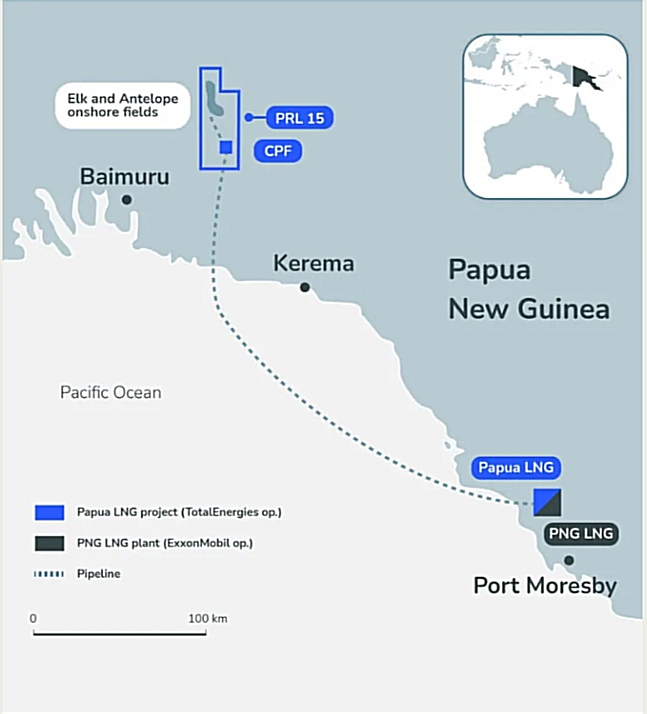
Image 1: Map of the Papua LNG Project Area. Taken from Papua LNG Website (https://papualng.com.pg/papua-lng/project/)

SO WHAT EXACTLY IS THE EPC STAGE OF AN LNG PROJECT AND WHAT DOES IT CONSIST OF?

Well the name says it all as mentioned above also, EPC is the Engineering, Procurement, Construction Phase of a Liquid Natural Gas Project and it consists of these 3 fields of expertise which are explained in more detail below:

Image 2: Taken from Papua LNG Website (https://papualng.com.pg/papua-lng/project/)


1. Engineering:

Detailed engineering design is carried out, including process design, equipment specifications, and overall facility layout. This phase ensures that all aspects of the project are well-defined before construction begins.

2. Procurement:

The necessary materials, equipment, and services are procured based on the engineering specifications. This involves sourcing, purchasing, and delivering all the components required for construction.

3. Construction:

The actual physical construction of the LNG facility takes place during this phase. It includes site preparation, foundation work, structural assembly, installation of equipment, and the construction of supporting infrastructure.

The EPC phase is crucial for turning the project’s conceptual design into a tangible and operational LNG facility. It aims to deliver the project on time, within budget, and meeting the specified quality and safety standards.

Image 3 taken from Papua LNG Website (https://papualng.com.pg/papua-lng/project/)

NOW, WHAT JOBS CAN WE EXPECT FROM VINCI CONSTRUCTION SPIECAPAG NIUGINI LIMITED (EPC PHASE CONTRACT WINNER OF THE PAPUA LNG PROJECT)?

Several job roles are critical for the successful completion of the Engineering, Procurement, and Construction (EPC) stage in a Liquid Natural Gas (LNG) project. Here are some key positions:

1. Project Manager:
Oversees the entire project, ensuring that it stays on schedule, within budget, and meets quality and safety standards.

2. Engineering:
Includes various engineers such as process engineers, mechanical engineers, electrical engineers, and civil/structural engineers responsible for detailed design and technical aspects.

3. Procurement Specialists:
Handle the sourcing, purchasing, and delivery of materials and equipment needed for the project.

4. Construction Managers and Skilled Labourers
Manages on-site construction activities and Labourers, coordinating with various contractors and ensuring adherence to project specifications.

5. Health, Safety, and Environment (HSE) Specialists:
Focus on maintaining a safe working environment and ensuring compliance with environmental regulations.

6. Quality Assurance/Quality Control (QA/QC) Inspectors:
Monitor and assess the quality of construction work to ensure it meets established standards.

7. Schedulers and Planners:
Develop project schedules, allocate resources, and plan activities to ensure timely completion.

8. Cost Estimators and Controllers:
Estimate project costs and monitor expenditures to ensure the project stays within budget.

9. Logistics and Supply Chain Specialists: Manage the logistics of transporting materials and equipment to the construction site.

10. Site Supervisors:
Oversee day-to-day construction activities on-site, coordinating with various contractors and ensuring progress aligns with the project schedule.

11. Metal Fabricators, Boilermakers and Welders:Metal Fabricators, welders and boilermakers contribute heavily to the fabrication and assembly of the intricate infrastructure needed for LNG projects. Their work is integral to ensuring the structural integrity and safety of the constructed facilities during the EPC stage.
12. Surveyors

Surveyors play a critical role in ensuring the accuracy and alignment of construction activities, contributing to the overall success of the EPC stage in LNG projects. I appreciate your inquiry, and it’s important to recognize the diverse roles that collectively make these projects successful.

13. Light and Heavy Vehicle Mechanics

Mechanics are indeed integral to the Engineering, Procurement, and Construction (EPC) stage of an LNG project. Their roles involve the maintenance, repair, and assembly of heavy machinery and equipment necessary for construction.

These roles collectively contribute to the successful execution of the EPC stage, each playing a crucial part in their respective areas of expertise.

14. Electricians

Electricians contribute significantly to the overall safety, functionality, and efficiency of an LNG project during the EPC phase. They will be required for installing safety systems, instrumentations, control systems, power systems and working closely with project engineers and managers

Image 5: Business Reps at the TotalEnergies Suppliers Forum at the Hitlon Hotel, December 4, 2023.

THE PNG RECRUITER’S HOT TIP:

If you’re interested in taking part in the EPC Stage

*Do research on Vinci Construction Terrassement SpieCapag Niugini Limited. Their background, history, where their Headquarters are, etc. We did research for them but couldn’t find a website but eventually information should be released to the public, most likely released when the job adverts for the project in 2024 via jobs boards or print media.

*Monitor all social platforms (LinkedIn, Facebook, etc.) they are on to keep up to date on vacancies for the EPC Stage of the Papua LNG

* Monitor the Papua LNG Website too at https://papualng.com.pg/opportunities/ for job opportunities with the EPC Phase of the project.

Those are our best tips we can give you but if you have any more you’d like to add on, do so in the comments here or whatever social platforms you see this posted on. Any discussion is healthy towards obtaining knowledge.

The next part of the project will be the Commissioning and Start Up Stage 2027 so we’ll be covering it when it happens or sooner.

Until then, thanks for reading.

#WokEmWok #ThePNGRecruiter
Categories
Recruitment Uncategorized

Reasons to anticipate Kumul Petroleum’s Fabrication Facility and Construction Industry Training Academy in 2024

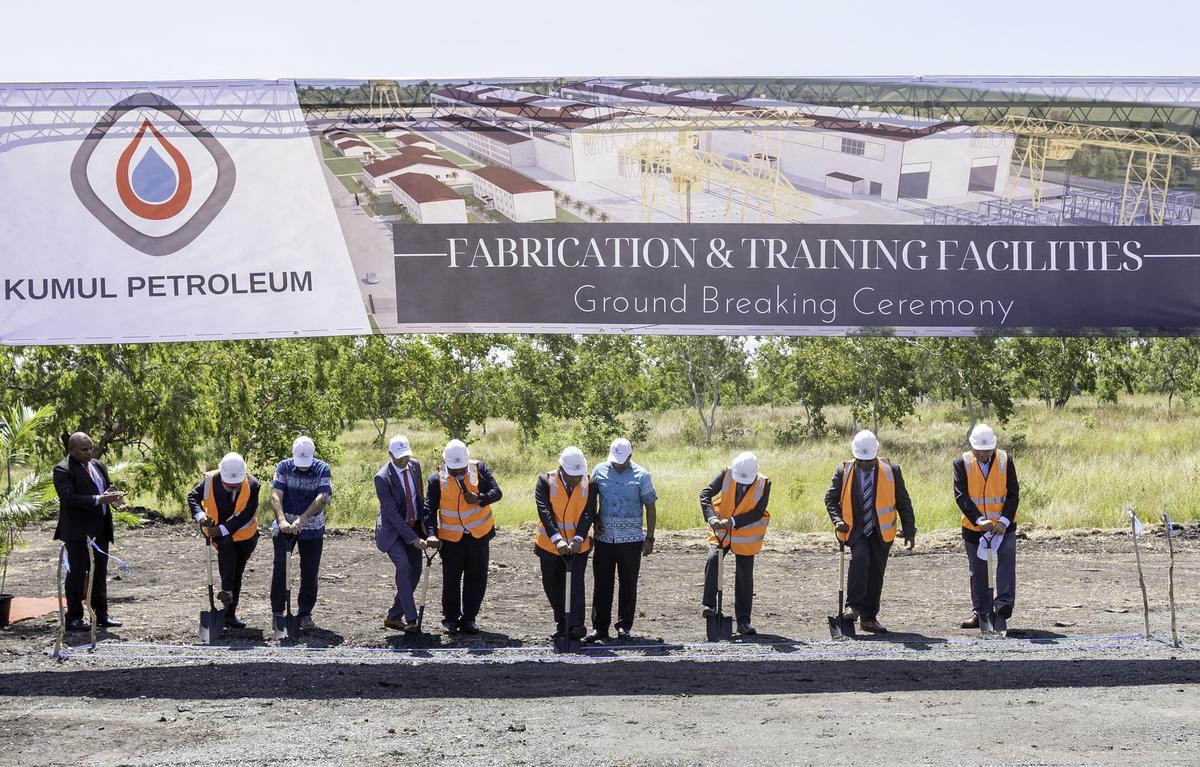
Image 1: Stakeholders from Santos, ExxonMobil and KPHL officially opening construction for the facility and academy..

Kumul Petroleum Holdings LTD will be opening its Steel, Mechanical and Piping (SMP) Facility in 2024.

As reported in THE PNG BUSINESS NEWS Magazine (“Kumul Petroleum Fabrication Facility Ground-Breaking” — News — PNG Business News) , “Managing Director for Kumul Petroleum Holdings LTD, Mr. Wapu Sonk, explained at the opening ceremony of start of construction of the facility, that in preparation for forthcoming LNG and mining developments in the country, Kumul Petroleum is establishing a world-class heavy SMP (Steel, Mechanical & Piping) Module fabrication facility, capable of manufacturing many of the infrastructure components required by such large-scale projects.

Mr Sonk said; “We are pleased to be initiating this industrial plant, since it is important that through this facility the country can demonstrate the real ability to maximize national content in major resource developments – through fabrication of core infrastructure components and training of competent Papua New Guinean tradesmen.”

It’s clear to see that there’ll be lots of job opportunities for our Trades work force coming up once the Facility is up and running, allow them to be trained also in an academy that will co-exist with the Facility. More was stated on this by Luke Liria, the current Corporate Affairs Executive General Manager of Kumul Petroleum Holdings LTD at the recent CANCONEX 2023 event in Lae: “A training facility will be established adjacent to the fabrication facility to train and upskill Papua New Guineans who will be required in large numbers in forthcoming LNG and other major developments in the country.” (“Contributing to Nation Building” — News — PNG Business News)

Industrial piping system, factory pipes
Industrial piping system, factory pipes by U.S. Army is licensed under CC-CC0 1.0 (Image 2: an example of the SMP Piping that will be produced at the SMP Facility to be established out at Motukea, Central Province, Papua New Guinea)

So based on the information provided in the article about Kumul Petroleum’s Fabrication Facility in Papua New Guinea, several job opportunities can be created such as the following listed below:

  1. Construction Jobs: The construction of the fabrication facility itself will require a significant workforce, including laborers, heavy equipment operators, carpenters, and other skilled tradespeople. This includes both the initial phase of early works and subsequent construction activities.
  2. Engineering and Design Roles: The engineering, procurement, and construction (EPC) phase will involve engineers, architects, designers, and project managers who will oversee the facility’s construction and development.
  3. Manufacturing and Production Jobs: Once the fabrication facility is operational, it will require workers for manufacturing large-scale infrastructure components, such as steel, mechanical, electrical modular, and piping packages. This includes welders, fabricators, machine operators, and quality control inspectors.
  4. Maintenance and Facility Management: Ongoing maintenance and management of the facility will create opportunities for technicians, maintenance personnel, and facility managers.
  5. Supply Chain and Logistics: Managing the procurement and distribution of materials for construction and production will require logistics and supply chain professionals.
  6. Training and Education: The establishment of the Kumul Construction Industry Training Academy will create opportunities for educators, trainers, and administrative staff involved in training local talent.
  7. Support and Administrative Roles: Like any large-scale project, administrative and support roles will be necessary, including office personnel, clerks, and administrative assistants.
  8. Local Content and National Employment Initiatives: The project aims to maximize national content, so there will likely be opportunities for local hires, including skilled and unskilled laborers.
  9. Offshore Sector: The facility’s focus on modules for central processing platforms and wellhead platforms for the offshore sector will generate jobs for workers with specialized skills in offshore engineering and fabrication.
  10. Business Development and Sales: As the facility expands its operations and services, there may be opportunities in business development and sales roles to secure contracts and partnerships with other industries in the Asia-Pacific region.
  11. Environmental and Safety Roles: Ensuring compliance with environmental regulations and safety standards will require environmental specialists, safety officers, and compliance experts.
  12. Consulting and Advisory Services: Companies providing consulting and advisory services related to the petroleum, mining, and renewable energy industries may find opportunities to work with Kumul Petroleum.
  13. Marketing and Communications: Marketing and communication professionals may be needed to promote the facility’s services and capabilities.
  14. Community Relations and Social Responsibility: Establishing positive relationships with the local community and addressing social responsibility concerns may lead to community relations and social responsibility positions.
  15. Technology and IT Roles: Managing the facility’s technology infrastructure and software systems will require IT professionals.
  16. HR and Recruitment: Given the plan to employ a significant number of Papua New Guineans, human resources professionals will play a crucial role in recruitment, training, and development.
  17. Legal and Regulatory Compliance: Legal experts and compliance officers may be needed to ensure that the facility complies with all applicable laws and regulations.

Image 3: a great example of spin-off business/benefits would be the Komo Airport in Hela Province, which in this image, has a large Industrial plane, likely carrying heavy equipment and landing to transport to Santos or ExxonMobil sites. The Airport is used by other airlines, speeding up development in the province.

Also, in terms of businesses not directly connected to the facility, the creation and operation of Kumul Petroleum’s fabrication facility in Papua New Guinea can have indirect benefits for various businesses and industries in the region. Here are some businesses not directly associated with the facility that could benefit from its creation and production:

  1. Local Suppliers and Manufacturers: Local businesses that supply materials, equipment, and services needed for the facility’s construction and ongoing operations can see increased demand for their products. This includes suppliers of steel, machinery, tools, safety equipment, and more.
  2. Transportation and Logistics Companies: Companies involved in transportation and logistics will benefit from moving raw materials to the facility during construction and delivering finished products to customers once production starts.
  3. Hospitality and Accommodation: With an increase in workers and contractors in the area during the construction and operation phases, hotels, restaurants, and other hospitality businesses may experience higher occupancy rates and increased patronage.
  4. Retail and Consumer Goods: A growing workforce and increased economic activity in the region can lead to higher retail sales and demand for consumer goods.
  5. Healthcare Providers: The influx of workers may lead to increased demand for healthcare services, including hospitals, clinics, and medical professionals.
  6. Education and Training Centers: The establishment of the Kumul Construction Industry Training Academy suggests a need for educational institutions and training centers to provide relevant courses and programs to support the local workforce.
  7. Real Estate and Housing: The demand for housing in the vicinity of the facility may increase as workers seek accommodation in the area.
  8. Financial Services: Banks and financial institutions may experience increased business activity as a result of loans, mortgages, and financial services required by individuals and businesses involved in the project.
  9. Security and Safety Services: Security companies and safety service providers may see increased demand for their services to ensure the safety and security of the facility and its workforce.
  10. Environmental and Sustainability Services: Given the focus on environmental compliance and sustainability, businesses specializing in environmental assessments, renewable energy solutions, and sustainability consulting may find opportunities to work with the facility.
  11. Consulting and Advisory Firms: Consulting firms that specialize in areas such as project management, legal compliance, regulatory affairs, and business strategy may be engaged to support the facility’s operations.
  12. Research and Development: Companies engaged in research and development, particularly in the fields of energy, engineering, and fabrication, may find collaboration opportunities with the facility to improve processes and products.
  13. Marketing and Advertising Agencies: As the facility seeks to expand its reach and customer base, marketing and advertising agencies may be hired to promote its services and capabilities.
  14. Waste Management and Recycling: Companies involved in waste management and recycling can provide services for handling waste generated during construction and production, promoting sustainability.
  15. Community Development and Social Services: Organizations focused on community development and social services may benefit from corporate social responsibility initiatives associated with the facility.

The establishment of a large-scale fabrication facility can have a ripple effect on the local economy in with the surrounding villages and Port Moresby, creating opportunities for businesses across various sectors and providing a boost to the overall economic development of the region. But more importantly, creating more jobs for Papua New Guineans

Overall, the construction and operation of Kumul Petroleum’s fabrication facility has the potential to create a wide range of job and business opportunities, both directly and indirectly, contributing to much needed economic growth and local workforce development in Papua New Guinea.

And we’ll be sure to notify you of any updates relating to this exciting new project.

Leave a comment, subscribe to our blog to keep updated on latest blog posts and thanks for reading. Until next time….#wokemwok #ThePNGRecruiter

Image 4: A practice SMP Pipe Training facility over at the Kumul Petroleum Acadamy, Idubada, Port Moresby, Papua New Guinea.