

I saw that Ela Motors recently posted on their Social Media Platforms that they’re holding “Walk-in” interviews this Saturday, the 29th of September 2023, at the Lamana Hotel, Port Moresby from 9am – 4pm (Refer to advert taken from Ela Motors LinkedIn page below, https://www.linkedin.com/posts/ela-motors-papua-new-guinea_announcement-activity-7109811584763379712-ZtuU?utm_source=share&utm_medium=member_desktop).

Image 1: Advert for Ela Motors Walk-In Interviews posted this week on their LinkedIn profile
This year, we’ve seen quit a few organizations conduct “Walk-Interviews”, and the significant one that comes to mind is The Stanley Hotel Walk-In Interviews that took place on the 4th of February, 2023, in Port Moresby which sparked widespread debate on the high number of interviewees who turned up and were made to stand for hours to attend the interview (Click on the link here to read up further on this event: Desperate for jobs – Post Courier).
SO WHY WALK-IN INTERVIEWS?
Organizations conduct walk-in interviews for various reasons, depending on their specific needs and circumstances. Some common reasons include the following listed below:
- Immediate Hiring Needs: Walk-in interviews are often used when a company has urgent or immediate hiring requirements. This can be due to unexpected vacancies, sudden increases in workload, or project deadlines that need additional manpower.
- Faster Recruitment Process: Walk-in interviews streamline the recruitment process by allowing companies to meet and assess candidates in a shorter timeframe. This can help organizations fill positions quickly, reducing the time and resources spent on traditional recruitment processes.
- Cost Efficiency: Walk-in interviews can be cost-effective as they often involve minimal advertising and recruitment expenses. Companies can quickly assemble a pool of potential candidates without the need for extensive pre-screening and advertising campaigns.
- Access to a Diverse Talent Pool: Walk-in interviews can attract a wide range of candidates, including those who may not have applied through traditional job postings. This can help organizations discover talent with unique skills and backgrounds.
- Seasonal or Temporary Staffing: Some businesses, such as retail stores, restaurants, and event management companies, rely on seasonal or temporary staff during peak periods. Walk-in interviews are an efficient way to recruit temporary or part-time workers for these occasions.
- On-Site Assessments: In industries where specific skills or qualifications are crucial, walk-in interviews allow employers to assess candidates’ capabilities firsthand. This is particularly relevant in fields like healthcare, IT, and skilled trades.
- High Turnover Positions: For positions with high turnover rates, such as call center agents or entry-level positions, walk-in interviews can help maintain a constant flow of potential hires to keep operations running smoothly.
- Geographic Expansion: When a company is expanding into new geographic regions, it may conduct walk-in interviews to quickly establish a local workforce and adapt to market demands.
- Networking Opportunities: Hosting walk-in interviews can provide companies with opportunities to network with potential candidates, industry professionals, and competitors, which can lead to future partnerships or collaborations.
- Diversity and Inclusion Initiatives: Organizations may use walk-in interviews as part of their diversity and inclusion efforts by actively seeking candidates from underrepresented groups or marginalized communities.
- Public Relations and Branding: Conducting walk-in interviews can generate positive publicity for a company, showcasing its commitment to job creation and community engagement.
- Market Research: Some companies use walk-in interviews as a way to gather information about the job market, such as salary expectations, jobseeker preferences, or trends in the industry.
Overall, walk-in interviews are a flexible and efficient recruitment method that can serve different purposes depending on the organization’s goals and requirements. They offer companies the ability to quickly assess and hire candidates while addressing various staffing needs.
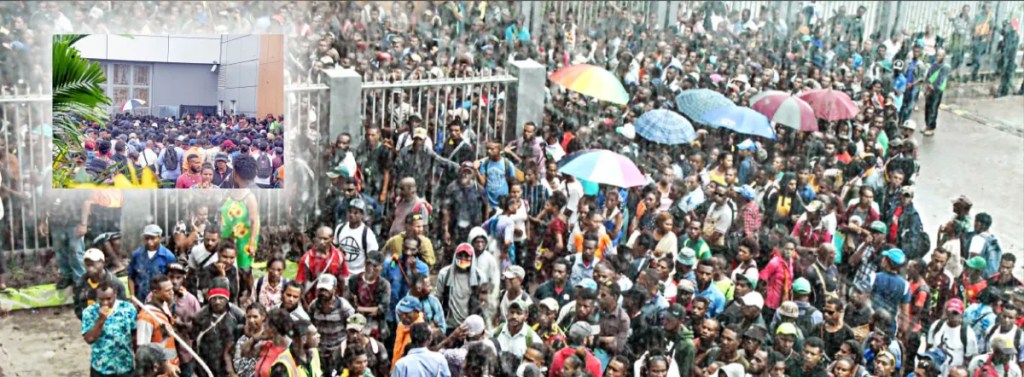
Image 2: Walk-In Interviewees crowding to get in the Stanley Hotel, taken from Story by Mr.Donald Nangoi, Post Courier Feb 6th, 2023 (Desperate for jobs – Post Courier)
AND WHY DON’T MOST PEOPLE LIKE WALK-IN INTERVIEWS?
While walk-in interviews can be beneficial for employers in certain situations, many job seekers tend to have negative perceptions of them for several reasons:
- Time Constraints: Walk-in interviews can be time-consuming and inconvenient, especially for individuals who have other commitments or jobs. It may be difficult to allocate enough time for an unplanned interview.
- Limited Information: Candidates may not have a clear understanding of the job or company they’re interviewing for during a walk-in interview, as there’s often minimal information provided in advance.
- Perceived Lack of Seriousness: Some job seekers may view walk-in interviews as less formal or less serious than scheduled interviews, leading to concerns about the quality and professionalism of the hiring process.
- Fear of Discrimination: Candidates may worry that walk-in interviews could lead to biased decisions, as there may be limited time for structured, fair assessments. This concern is especially valid for individuals from marginalized or underrepresented groups.
- Unpredictable Timing: Since walk-in interviews don’t follow a set schedule, candidates may be unsure about when to arrive at the hiring location, potentially leading to long wait times or missed opportunities.
- Uncertain Outcome: Candidates may question the likelihood of success in a walk-in interview, as they may not know how many positions are available or what the competition is like.
- Lack of Follow-Up: In some cases, candidates who participate in walk-in interviews may not receive timely feedback or updates on their application status, leaving them uncertain about the outcome.
- Difficulty in Showcasing Skills: Walk-in interviews may not provide candidates with the opportunity to showcase their skills and qualifications adequately, especially if they’re caught off guard.
- Limited Negotiation Time: Candidates may have less time to negotiate terms and conditions, such as salary, benefits, or work hours, during a walk-in interview.
- Inconvenient Locations: The physical location of the walk-in interview may be inconvenient or inaccessible for some candidates, making it difficult for them to participate.
- Security and safety risks: there is a high probability for safety and security risks to occur to applicants should there be a lack of measures be taken by the potential employer. Standing long hours in the PNG heat too is not an ideal plan too for applicants but most will make do due to the ever-imposing issue of unemployment in PNG.
It’s important to note that not all job seekers dislike walk-in interviews, and some individuals may find them to be a convenient way to explore job opportunities quickly. However, these concerns highlight why many people prefer scheduled interviews and a more structured hiring process, which allows for better preparation and a more predictable experience.
SO, WHAT ARE SOME ALTERNATIVE RECRUITMENT METHODS BUSINESSES CAN CHOOSE, APART FROM WALK-IN INTERVIEWS?
Businesses have several effective alternatives to walk-in interviews to streamline their hiring process and attract qualified candidates. Here are some popular alternatives:
- Scheduled Interviews: Scheduled interviews are the most common alternative to walk-in interviews. Companies can advertise job openings in advance, collect resumes and applications, and then schedule interviews with selected candidates at a specific time and date. This approach provides candidates with ample time to prepare and allows for a more structured and focused interview process.
- Online Application Portals: Implementing an online application portal on the company’s website or through job search platforms can simplify the application process for candidates. This allows businesses to collect resumes and applications electronically and review them at their convenience. Candidates can also schedule interviews online.
- Recruitment Agencies: Companies can partner with recruitment agencies or headhunters to help identify and screen qualified candidates. These agencies specialize in finding suitable candidates for specific roles, which can save businesses time and effort in the hiring process.
- Employee Referrals: Encouraging current employees to refer candidates for open positions can be a cost-effective and reliable method of recruitment. Employee referrals often result in hires who are a good fit for the company culture and who come recommended by trusted colleagues.
- Internship Programs: Developing internship programs can be an effective way to identify potential future employees. Interns can gain experience within the company, and businesses can evaluate their performance for potential full-time positions.
- Job Fairs: Participating in job fairs and career expos allows companies to meet potential candidates in a more organized and structured setting. These events often attract job seekers actively looking for opportunities.
- Networking Events: Hosting or attending industry-specific networking events can help companies connect with potential candidates and build relationships within their field. This can lead to referrals and direct contacts with qualified individuals.
- Social Media and Online Job Boards: Utilizing social media platforms and online job boards like LinkedIn, Indeed, or Glassdoor can help companies reach a wide audience of job seekers. Posting job listings and engaging with potential candidates through these platforms can be highly effective.
- Applicant Tracking Systems (ATS): Implementing an ATS software can streamline the application and candidate tracking process. These systems help manage resumes, applications, and candidate communications, making it easier to identify and contact qualified candidates.
- Temporary Staffing Agencies: Businesses can partner with temporary staffing agencies to hire temporary or contract workers for specific projects or peak periods, providing flexibility in staffing without the need for traditional hiring processes.
- Video Interviews: Conducting initial interviews via video conferencing tools like Zoom or Skype can save time and resources by allowing companies to assess candidates remotely before scheduling in-person interviews.
- Assessment Tests: Administering skills or personality assessments can help companies evaluate candidates’ suitability for a role more objectively. These tests can be part of the pre-screening process before conducting interviews, and can be done online via a 3rd party site that specializes in creating Assessment Tests according to the business needs and environment it’s in.
The choice of which alternative to use depends on the specific needs of the organization, the nature of the job, the available resources, and the desired candidate experience. Businesses often use a combination of these methods to optimize their recruitment efforts.
SO WHAT’S THE BEST WAY FOR AN APPLICANT TO PREPARE FOR A WALK-IN INTERVIEW?
Preparing for a walk-in interview can be challenging. However, applicants can still take steps to increase their chances of success. Here are some tips on how to prepare for a walk-in interview:
- Research the Company in Advance:
- If you have a general idea of the types of companies that conduct walk-in interviews in your area, research those companies in advance. Familiarize yourself with their products, services, culture, and values.
- Prepare Your Elevator Pitch:
- Craft a brief and compelling elevator pitch that introduces yourself, highlights your skills and experience, and explains why you’re interested in working for the company. Be ready to deliver it confidently.
- Update Your Resume:
- Have an up-to-date resume ready to provide to the interviewer. Ensure it highlights your relevant qualifications and experiences.
- Dress Professionally:
- Dress appropriately for the industry and company you’re applying to. When in doubt, it’s usually better to be slightly overdressed than underdressed.
- Gather Required Documentation:
- Bring any necessary documentation with you, such as identification, work permits, certifications, and references. Having these on hand can expedite the application process.
- Practice Common Interview Questions:
- Familiarize yourself with common interview questions and prepare concise, thoughtful answers. Focus on questions related to your qualifications, strengths, weaknesses, and career goals.
- Prepare Questions to Ask:
- Prepare a few questions to ask the interviewer. This demonstrates your interest in the position and the company. Questions could be related to job responsibilities, company culture, or opportunities for growth.
- Be Flexible with Your Schedule:
- Since walk-in interviews can be unpredictable, be as flexible as possible with your schedule. Try to allocate several hours for the interview in case there are long wait times.
- Practice Good Etiquette:
- Be courteous and professional to everyone you encounter during the interview process, from the receptionist to the interviewer. First impressions matter.
- Stay Calm and Confident:
- While it’s natural to feel nervous, try to stay calm and composed. Confidence in your skills and qualifications can make a positive impression.
- Prepare for Behavioral Questions:
- Be ready to answer behavioral questions that assess your past experiences and how you’ve handled various situations. Use the STAR method (Situation, Task, Action, Result) to structure your responses.
- Bring a Pen and Notepad:
- Having a pen and notepad with you can be useful for taking notes, jotting down key information, or noting any follow-up steps discussed during the interview.
- Arrive Early:
- Even for walk-in interviews, arrive at the hiring location early. Being punctual is important and demonstrates your commitment.
- Stay Positive:
- Maintain a positive attitude throughout the process, regardless of the outcome. If the company doesn’t have immediate openings, your positive attitude and professionalism may leave a lasting impression for future opportunities.
- Follow Up:
- After the interview, consider sending a brief thank-you email to the interviewer to express your appreciation for the opportunity and reiterate your interest in the position.
Remember that while walk-in interviews can be challenging due to the lack of preparation time, they can also be an opportunity to showcase your adaptability and readiness for spontaneous situations. Approach the interview with confidence and a willingness to make the most of the opportunity.
Let me know your thoughts on this blog and subscribe to The PNG Recruiter to stay up to date with the latest blogs. Until next time….#WokEmWok #ThePNGRecruiter

Image 3: Another image captured from a different angle of the chaos that occurred at the Stanley Hotel Walk-In Interviews held early this year, February 2023 in Port Moresby. Source: fiji_index on X: “RT @Nat_Whiting: A hotel in Port Moresby advertised open walk in interviews today for a range of positions. Thousands of people have lined…” / X (twitter.com)