

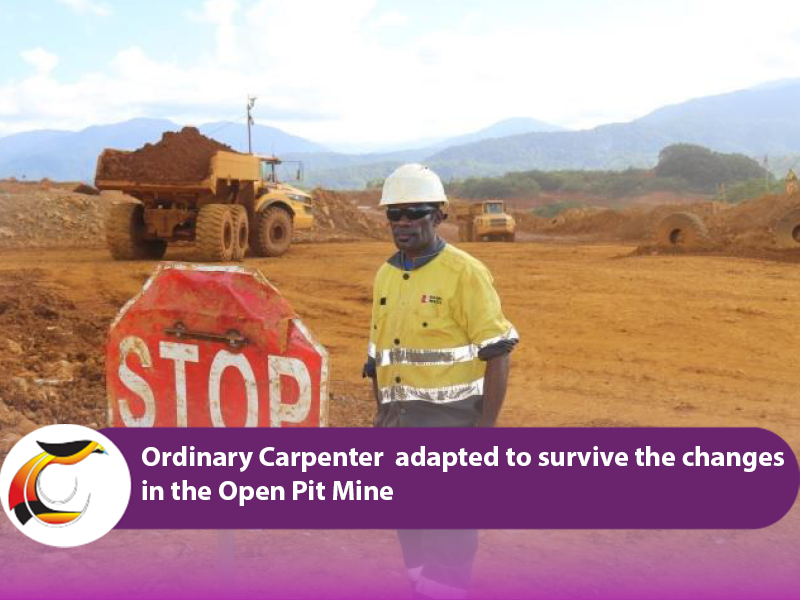
Here is a great article in the Post-Courier from last year about a guy named Canute Alohea, who started with the Ramu NiCo Mine (Madang Province, PNG) as a Carpenter but over the course of his 10 years of employment with them and through attending numerous in-house trainings, he’s now a Supervisor of the Open Pit Mine there (/https://www.postcourier.com.pg/from-carpenter-to-open-pit-mine-supervisor/)
SO WHAT’S SO SPECIAL ABOUT THIS ARTICLE?
This article show a great example of what Transferrable Skills can do in helping a Carpenter like Canute to becoming a Mining Pit Supervisor. Now you may say that it’s only because the in-house trainings Canute attended enabled him make a successful shift from Carpentry and into Mine Pit Supervising, you are right but Transferrable Skills can be realized and utilized at the jobseeker level to obtain jobs fast.
SO WHAT EXACTLY ARE TRANSFERRABLE SKILLS?
Here’s what we found about Transferrable Skills:
Transferable skills are abilities, knowledge, or experiences that can be applied and adapted across various roles, industries, or situations. These skills are not tied to a specific job or field but can be utilized in different contexts. Transferable skills are valuable because they enable individuals to transition between jobs, sectors, or even career paths more smoothly. They are often considered fundamental skills that contribute to overall success and effectiveness in the workplace. Some examples of transferable skills include:
- Communication: The ability to convey information clearly and effectively, whether through verbal, written, or non-verbal means.
- Problem-solving: The capacity to analyze issues, identify solutions, and implement effective strategies to overcome challenges.
- Leadership: Skills related to guiding, motivating, and coordinating individuals or teams to achieve common goals.
- Time management: The skill of efficiently organizing and prioritizing tasks to maximize productivity and meet deadlines.
- Adaptability: The capability to adjust to new situations, environments, or requirements with flexibility and resilience.
- Critical thinking: The capacity to objectively evaluate information, assess situations, and make informed decisions.
- Collaboration: The ability to work effectively with others, fostering teamwork, and leveraging collective strengths.
- Creativity: Skills related to generating innovative ideas, approaches, or solutions to solve problems or improve processes.
- Emotional intelligence: The ability to understand, manage, and express emotions appropriately, both in oneself and in others.
- Technical proficiency: Proficiency with various tools, software, or equipment relevant to specific industries or roles.
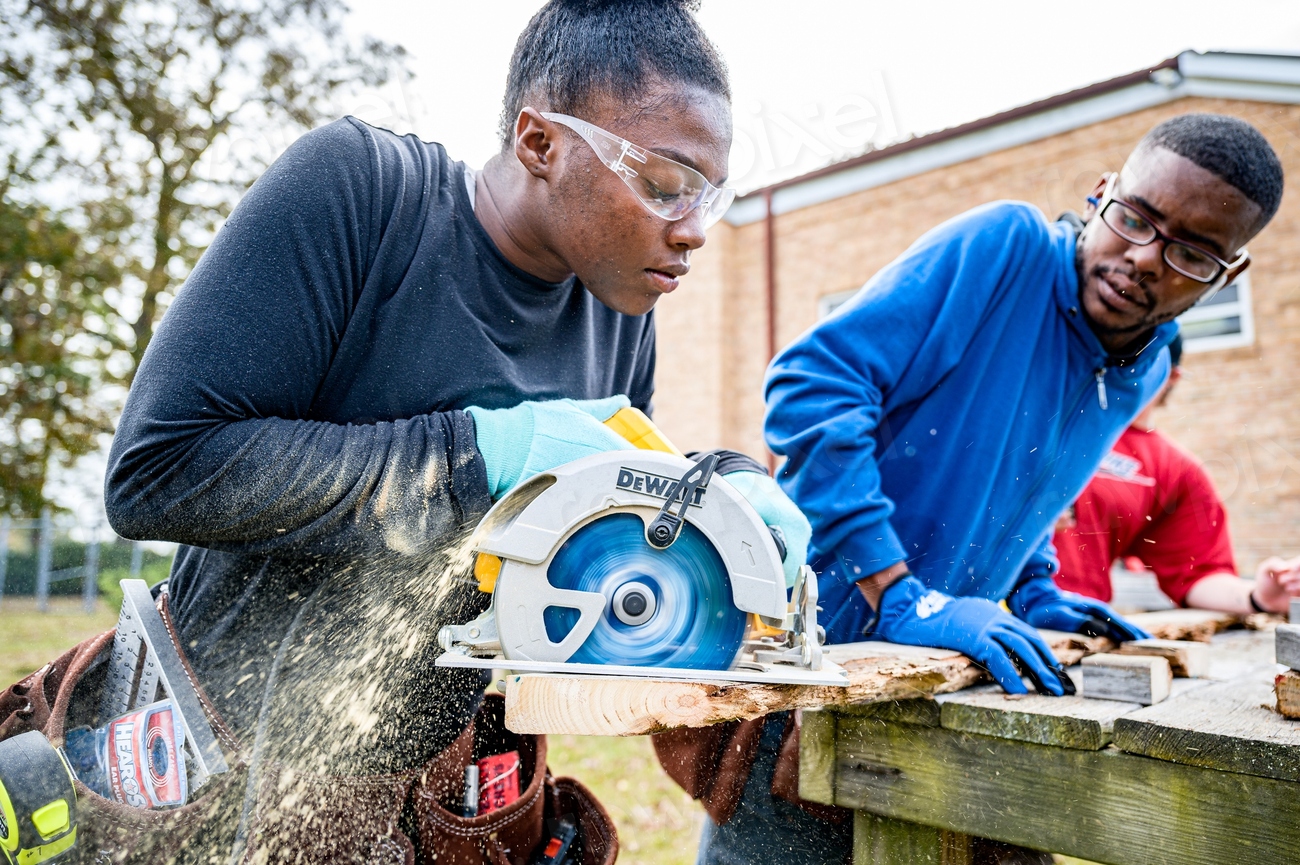
These skills are often sought after by employers because they contribute to an individual’s overall competence and adaptability in the workplace, regardless of the specific job or industry. Additionally, transferable skills can be developed and honed over time through education, training, and real-world experiences, making them valuable assets for career growth and professional development. (https://chat.openai.com/share/ca4fdee1-26b8-4ada-9f95-5a0d4c565fe5)
In laymen’s terms, Transferrable skills can be carried over from one job to another. These skills don’t necessarily have to be thought in school, but can be learned on the job, at home in your own time, in a sports team, in church, anywhere, etc.
SO HOW CAN TRANSFERRABLE SKILLS HELP LESSEN THE EFFECTS OF UNEMPLOYMENT IF REALISED BY ALL CURRENT AND FUTURE JOBSEEKERS?
Here’s what we found in regards to the above questions:
If all current and future job seekers possess transferable skills, it can significantly mitigate the effects of unemployment in several ways:
- Enhanced employability: Individuals with transferable skills are more adaptable and versatile, making them attractive candidates for a wider range of job opportunities. Employers value these skills because they indicate a candidate’s ability to contribute effectively in various roles and environments.
- Smooth career transitions: Transferable skills enable job seekers to transition more seamlessly between industries or occupations. This flexibility reduces the time spent searching for suitable positions and increases the likelihood of finding employment sooner, even in industries experiencing growth while others decline.
- Increased resilience: Transferable skills empower individuals to navigate periods of unemployment with greater resilience. They can leverage these skills to explore alternative employment options, such as freelancing, temporary work, or starting their own businesses, thereby reducing reliance on traditional employment channels.
- Upskilling opportunities: Recognizing the value of transferable skills, job seekers may invest in ongoing learning and development to strengthen these skills further. This proactive approach not only enhances their employability but also positions them for future career advancement and opportunities in emerging industries or sectors.
- Networking advantages: Individuals with transferable skills can leverage their diverse experiences and abilities to build broader professional networks. Networking can lead to job referrals, mentorship opportunities, and access to hidden job markets, increasing the likelihood of securing employment during periods of unemployment.
- Demonstrated value to employers: Job seekers who emphasize their transferable skills during the application and interview process can effectively communicate their potential value to prospective employers. By highlighting how their skills can benefit the organization in various capacities, they stand out as valuable assets, even if they lack direct experience in a particular role or industry.
Overall, the widespread recognition and utilization of transferable skills among job seekers can contribute to a more resilient workforce, reducing the negative impacts of unemployment and fostering greater adaptability in an ever-changing labor market (https://chat.openai.com/share/ca4fdee1-26b8-4ada-9f95-5a0d4c565fe5).
SO WHERE CAN I GET TRANSFERRABLE SKILLS FROM?
Transferable skills can be acquired and developed through various means, including:
- Education: Many transferable skills, such as communication, critical thinking, and problem-solving, can be cultivated through formal education. Courses in fields like communication studies, psychology, business administration, or liberal arts often focus on developing these skills.
- Work Experience: Previous employment provides opportunities to develop transferable skills. Whether through leadership roles, teamwork on projects, or facing challenges that require problem-solving, work experience offers practical opportunities to hone these abilities.
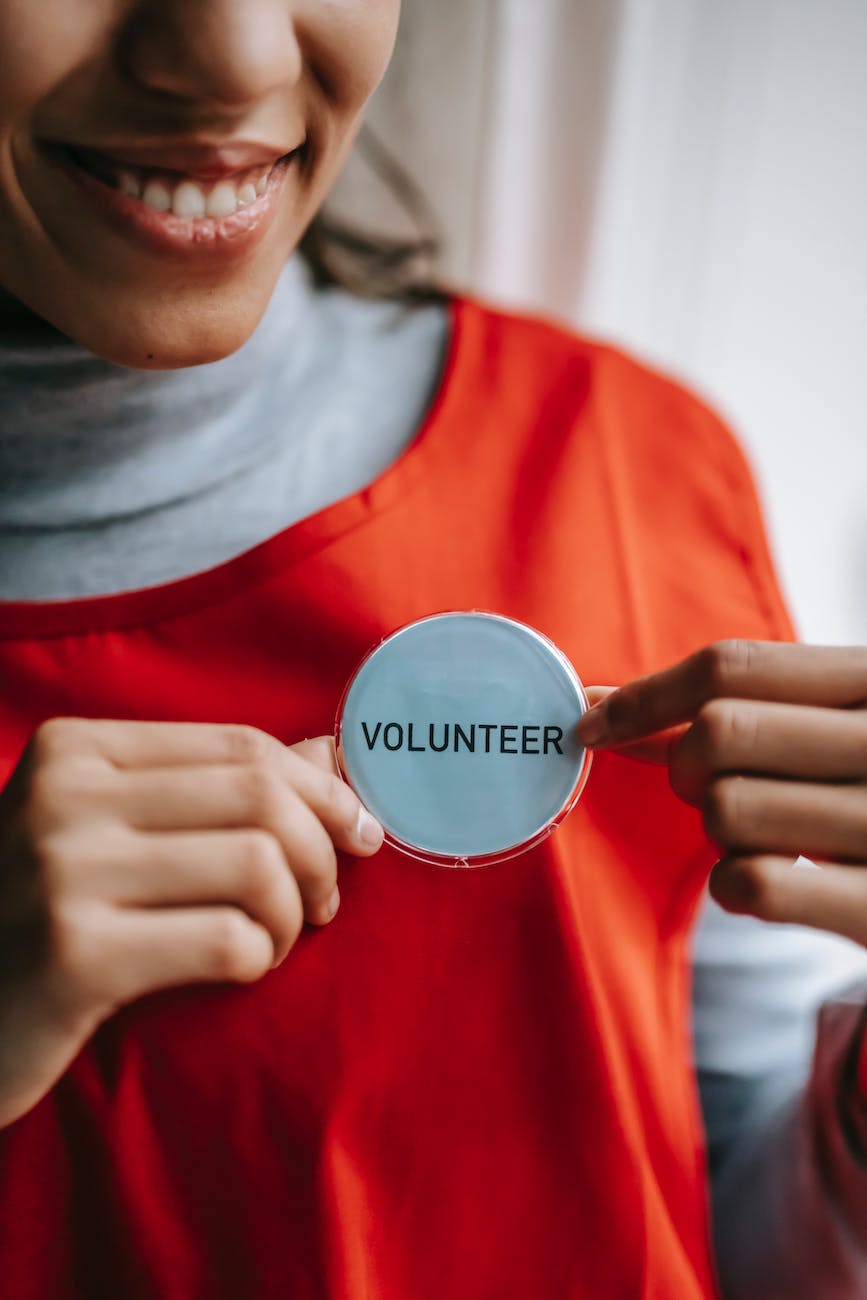
- Volunteering: Volunteering for community organizations, non-profits, or charitable causes can help develop transferable skills such as communication, teamwork, leadership, and adaptability. Volunteering often involves diverse tasks and interactions, providing valuable learning experiences.
- Internships and On-Job-Training Programs: Participating in internships or cooperative on-job-training programs allows students/apprentices to gain practical experience in a professional setting. These opportunities provide exposure to real-world challenges and help develop transferable skills relevant to the workplace.
- Professional Development Workshops and Seminars: Attending workshops, seminars, and conferences focused on topics like leadership, communication, time management, and other transferable skills can enhance your abilities and provide valuable insights from experts in the field.
- Online Courses and Tutorials: Numerous online platforms offer courses and tutorials on a wide range of transferable skills. Websites such as Coursera, LinkedIn Learning, Udemy, ReeLae and Khan Academy provide accessible resources for self-directed learning.
- Networking and Mentoring: Building relationships with professionals in your field or industry can provide opportunities to learn from their experiences and gain insights into developing transferable skills. Mentors can offer guidance, support, and feedback to help you grow professionally.
- Extracurricular Activities: Participation in extracurricular activities such as sports teams, student organizations, or hobby groups can foster transferable skills like teamwork, leadership, communication, and time management.
By actively seeking out opportunities to develop and strengthen transferable skills through these various avenues, individuals can enhance their overall competence, adaptability, and employability in the workforce (https://chat.openai.com/share/ca4fdee1-26b8-4ada-9f95-5a0d4c565fe5).

By taking part in the above, you are giving yourself a chance to develop skills that are produced from basically taking part in organized activities for free. All one needs is to make time available to take part. But now that you’ve read this, we hope you have a sense of direction and goals in place on what you want to obtain from such activities and organizations through volunteerism and charity.
So when you go into a job interview with zero job experience, you got your Transferrable Skills to rely on, they’re documented in your CV and Cover Letter and you have references to back your Transferrable Skills from wherever you obtained them from. If everyone realized these skills before graduating from our schools and colleges, we’d have less unemployment issues in our country. That’s one of our many theories on how we can empower ourselves to win in the world of job seeking in PNG.
Thanks for reading and comment and let us know your thoughts, follow us on LinkedIn Facebook and Instagram and sign up to our blog if you haven’t yet.
Until next time….#wokemwok #thepngrecruiter