The PNG Recruiter Limited

Categories
Recruitment Uncategorized

Walk-In Interviews: Insights for Businesses, Applicants, and Preparation Alternatives

I saw that Ela Motors recently posted on their Social Media Platforms that they’re holding “Walk-in” interviews this Saturday, the 29th of September 2023, at the Lamana Hotel, Port Moresby from 9am – 4pm (Refer to advert taken from Ela Motors LinkedIn page below, https://www.linkedin.com/posts/ela-motors-papua-new-guinea_announcement-activity-7109811584763379712-ZtuU?utm_source=share&utm_medium=member_desktop).

Image 1: Advert for Ela Motors Walk-In Interviews posted this week on their LinkedIn profile

This year, we’ve seen quit a few organizations conduct “Walk-Interviews”, and the significant one that comes to mind is The Stanley Hotel Walk-In Interviews that took place on the 4th of February, 2023, in Port Moresby which sparked widespread debate on the high number of interviewees who turned up and were made to stand for hours to attend the interview (Click on the link here to read up further on this event: Desperate for jobs – Post Courier).

SO WHY WALK-IN INTERVIEWS?

Organizations conduct walk-in interviews for various reasons, depending on their specific needs and circumstances. Some common reasons include the following listed below:

  1. Immediate Hiring Needs: Walk-in interviews are often used when a company has urgent or immediate hiring requirements. This can be due to unexpected vacancies, sudden increases in workload, or project deadlines that need additional manpower.
  2. Faster Recruitment Process: Walk-in interviews streamline the recruitment process by allowing companies to meet and assess candidates in a shorter timeframe. This can help organizations fill positions quickly, reducing the time and resources spent on traditional recruitment processes.
  3. Cost Efficiency: Walk-in interviews can be cost-effective as they often involve minimal advertising and recruitment expenses. Companies can quickly assemble a pool of potential candidates without the need for extensive pre-screening and advertising campaigns.
  4. Access to a Diverse Talent Pool: Walk-in interviews can attract a wide range of candidates, including those who may not have applied through traditional job postings. This can help organizations discover talent with unique skills and backgrounds.
  5. Seasonal or Temporary Staffing: Some businesses, such as retail stores, restaurants, and event management companies, rely on seasonal or temporary staff during peak periods. Walk-in interviews are an efficient way to recruit temporary or part-time workers for these occasions.
  6. On-Site Assessments: In industries where specific skills or qualifications are crucial, walk-in interviews allow employers to assess candidates’ capabilities firsthand. This is particularly relevant in fields like healthcare, IT, and skilled trades.
  7. High Turnover Positions: For positions with high turnover rates, such as call center agents or entry-level positions, walk-in interviews can help maintain a constant flow of potential hires to keep operations running smoothly.
  8. Geographic Expansion: When a company is expanding into new geographic regions, it may conduct walk-in interviews to quickly establish a local workforce and adapt to market demands.
  9. Networking Opportunities: Hosting walk-in interviews can provide companies with opportunities to network with potential candidates, industry professionals, and competitors, which can lead to future partnerships or collaborations.
  10. Diversity and Inclusion Initiatives: Organizations may use walk-in interviews as part of their diversity and inclusion efforts by actively seeking candidates from underrepresented groups or marginalized communities.
  11. Public Relations and Branding: Conducting walk-in interviews can generate positive publicity for a company, showcasing its commitment to job creation and community engagement.
  12. Market Research: Some companies use walk-in interviews as a way to gather information about the job market, such as salary expectations, jobseeker preferences, or trends in the industry.

Overall, walk-in interviews are a flexible and efficient recruitment method that can serve different purposes depending on the organization’s goals and requirements. They offer companies the ability to quickly assess and hire candidates while addressing various staffing needs.

Image 2: Walk-In Interviewees crowding to get in the Stanley Hotel, taken from Story by Mr.Donald Nangoi, Post Courier Feb 6th, 2023 (Desperate for jobs – Post Courier)

AND WHY DON’T MOST PEOPLE LIKE WALK-IN INTERVIEWS?

While walk-in interviews can be beneficial for employers in certain situations, many job seekers tend to have negative perceptions of them for several reasons:

  1. Time Constraints: Walk-in interviews can be time-consuming and inconvenient, especially for individuals who have other commitments or jobs. It may be difficult to allocate enough time for an unplanned interview.
  2. Limited Information: Candidates may not have a clear understanding of the job or company they’re interviewing for during a walk-in interview, as there’s often minimal information provided in advance.
  3. Perceived Lack of Seriousness: Some job seekers may view walk-in interviews as less formal or less serious than scheduled interviews, leading to concerns about the quality and professionalism of the hiring process.
  4. Fear of Discrimination: Candidates may worry that walk-in interviews could lead to biased decisions, as there may be limited time for structured, fair assessments. This concern is especially valid for individuals from marginalized or underrepresented groups.
  5. Unpredictable Timing: Since walk-in interviews don’t follow a set schedule, candidates may be unsure about when to arrive at the hiring location, potentially leading to long wait times or missed opportunities.
  6. Uncertain Outcome: Candidates may question the likelihood of success in a walk-in interview, as they may not know how many positions are available or what the competition is like.
  7. Lack of Follow-Up: In some cases, candidates who participate in walk-in interviews may not receive timely feedback or updates on their application status, leaving them uncertain about the outcome.
  8. Difficulty in Showcasing Skills: Walk-in interviews may not provide candidates with the opportunity to showcase their skills and qualifications adequately, especially if they’re caught off guard.
  9. Limited Negotiation Time: Candidates may have less time to negotiate terms and conditions, such as salary, benefits, or work hours, during a walk-in interview.
  10. Inconvenient Locations: The physical location of the walk-in interview may be inconvenient or inaccessible for some candidates, making it difficult for them to participate.
  11. Security and safety risks: there is a high probability for safety and security risks to occur to applicants should there be a lack of measures be taken by the potential employer. Standing long hours in the PNG heat too is not an ideal plan too for applicants but most will make do due to the ever-imposing issue of unemployment in PNG.

It’s important to note that not all job seekers dislike walk-in interviews, and some individuals may find them to be a convenient way to explore job opportunities quickly. However, these concerns highlight why many people prefer scheduled interviews and a more structured hiring process, which allows for better preparation and a more predictable experience.

SO, WHAT ARE SOME ALTERNATIVE RECRUITMENT METHODS BUSINESSES CAN CHOOSE, APART FROM WALK-IN INTERVIEWS?

Businesses have several effective alternatives to walk-in interviews to streamline their hiring process and attract qualified candidates. Here are some popular alternatives:

  1. Scheduled Interviews: Scheduled interviews are the most common alternative to walk-in interviews. Companies can advertise job openings in advance, collect resumes and applications, and then schedule interviews with selected candidates at a specific time and date. This approach provides candidates with ample time to prepare and allows for a more structured and focused interview process.
  2. Online Application Portals: Implementing an online application portal on the company’s website or through job search platforms can simplify the application process for candidates. This allows businesses to collect resumes and applications electronically and review them at their convenience. Candidates can also schedule interviews online.
  3. Recruitment Agencies: Companies can partner with recruitment agencies or headhunters to help identify and screen qualified candidates. These agencies specialize in finding suitable candidates for specific roles, which can save businesses time and effort in the hiring process.
  4. Employee Referrals: Encouraging current employees to refer candidates for open positions can be a cost-effective and reliable method of recruitment. Employee referrals often result in hires who are a good fit for the company culture and who come recommended by trusted colleagues.
  5. Internship Programs: Developing internship programs can be an effective way to identify potential future employees. Interns can gain experience within the company, and businesses can evaluate their performance for potential full-time positions.
  6. Job Fairs: Participating in job fairs and career expos allows companies to meet potential candidates in a more organized and structured setting. These events often attract job seekers actively looking for opportunities.
  7. Networking Events: Hosting or attending industry-specific networking events can help companies connect with potential candidates and build relationships within their field. This can lead to referrals and direct contacts with qualified individuals.
  8. Social Media and Online Job Boards: Utilizing social media platforms and online job boards like LinkedIn, Indeed, or Glassdoor can help companies reach a wide audience of job seekers. Posting job listings and engaging with potential candidates through these platforms can be highly effective.
  9. Applicant Tracking Systems (ATS): Implementing an ATS software can streamline the application and candidate tracking process. These systems help manage resumes, applications, and candidate communications, making it easier to identify and contact qualified candidates.
  10. Temporary Staffing Agencies: Businesses can partner with temporary staffing agencies to hire temporary or contract workers for specific projects or peak periods, providing flexibility in staffing without the need for traditional hiring processes.
  11. Video Interviews: Conducting initial interviews via video conferencing tools like Zoom or Skype can save time and resources by allowing companies to assess candidates remotely before scheduling in-person interviews.
  12. Assessment Tests: Administering skills or personality assessments can help companies evaluate candidates’ suitability for a role more objectively. These tests can be part of the pre-screening process before conducting interviews, and can be done online via a 3rd party site that specializes in creating Assessment Tests according to the business needs and environment it’s in.

The choice of which alternative to use depends on the specific needs of the organization, the nature of the job, the available resources, and the desired candidate experience. Businesses often use a combination of these methods to optimize their recruitment efforts.

SO WHAT’S THE BEST WAY FOR AN APPLICANT TO PREPARE FOR A WALK-IN INTERVIEW?

Preparing for a walk-in interview can be challenging. However, applicants can still take steps to increase their chances of success. Here are some tips on how to prepare for a walk-in interview:

  1. Research the Company in Advance:
  • If you have a general idea of the types of companies that conduct walk-in interviews in your area, research those companies in advance. Familiarize yourself with their products, services, culture, and values.
  1. Prepare Your Elevator Pitch:
  • Craft a brief and compelling elevator pitch that introduces yourself, highlights your skills and experience, and explains why you’re interested in working for the company. Be ready to deliver it confidently.
  1. Update Your Resume:
  • Have an up-to-date resume ready to provide to the interviewer. Ensure it highlights your relevant qualifications and experiences.
  1. Dress Professionally:
  • Dress appropriately for the industry and company you’re applying to. When in doubt, it’s usually better to be slightly overdressed than underdressed.
  1. Gather Required Documentation:
  • Bring any necessary documentation with you, such as identification, work permits, certifications, and references. Having these on hand can expedite the application process.
  1. Practice Common Interview Questions:
  • Familiarize yourself with common interview questions and prepare concise, thoughtful answers. Focus on questions related to your qualifications, strengths, weaknesses, and career goals.
  1. Prepare Questions to Ask:
  • Prepare a few questions to ask the interviewer. This demonstrates your interest in the position and the company. Questions could be related to job responsibilities, company culture, or opportunities for growth.
  1. Be Flexible with Your Schedule:
  • Since walk-in interviews can be unpredictable, be as flexible as possible with your schedule. Try to allocate several hours for the interview in case there are long wait times.
  1. Practice Good Etiquette:
  • Be courteous and professional to everyone you encounter during the interview process, from the receptionist to the interviewer. First impressions matter.
  1. Stay Calm and Confident:
    • While it’s natural to feel nervous, try to stay calm and composed. Confidence in your skills and qualifications can make a positive impression.
  2. Prepare for Behavioral Questions:
    • Be ready to answer behavioral questions that assess your past experiences and how you’ve handled various situations. Use the STAR method (Situation, Task, Action, Result) to structure your responses.
  3. Bring a Pen and Notepad:
    • Having a pen and notepad with you can be useful for taking notes, jotting down key information, or noting any follow-up steps discussed during the interview.
  4. Arrive Early:
    • Even for walk-in interviews, arrive at the hiring location early. Being punctual is important and demonstrates your commitment.
  5. Stay Positive:
    • Maintain a positive attitude throughout the process, regardless of the outcome. If the company doesn’t have immediate openings, your positive attitude and professionalism may leave a lasting impression for future opportunities.
  6. Follow Up:
    • After the interview, consider sending a brief thank-you email to the interviewer to express your appreciation for the opportunity and reiterate your interest in the position.

Remember that while walk-in interviews can be challenging due to the lack of preparation time, they can also be an opportunity to showcase your adaptability and readiness for spontaneous situations. Approach the interview with confidence and a willingness to make the most of the opportunity.

Let me know your thoughts on this blog and subscribe to The PNG Recruiter to stay up to date with the latest blogs. Until next time….#WokEmWok #ThePNGRecruiter

Image 3: Another image captured from a different angle of the chaos that occurred at the Stanley Hotel Walk-In Interviews held early this year, February 2023 in Port Moresby. Source: fiji_index on X: “RT @Nat_Whiting: A hotel in Port Moresby advertised open walk in interviews today for a range of positions. Thousands of people have lined…” / X (twitter.com)
Categories
Recruitment Uncategorized

Reasons to anticipate Kumul Petroleum’s Fabrication Facility and Construction Industry Training Academy in 2024

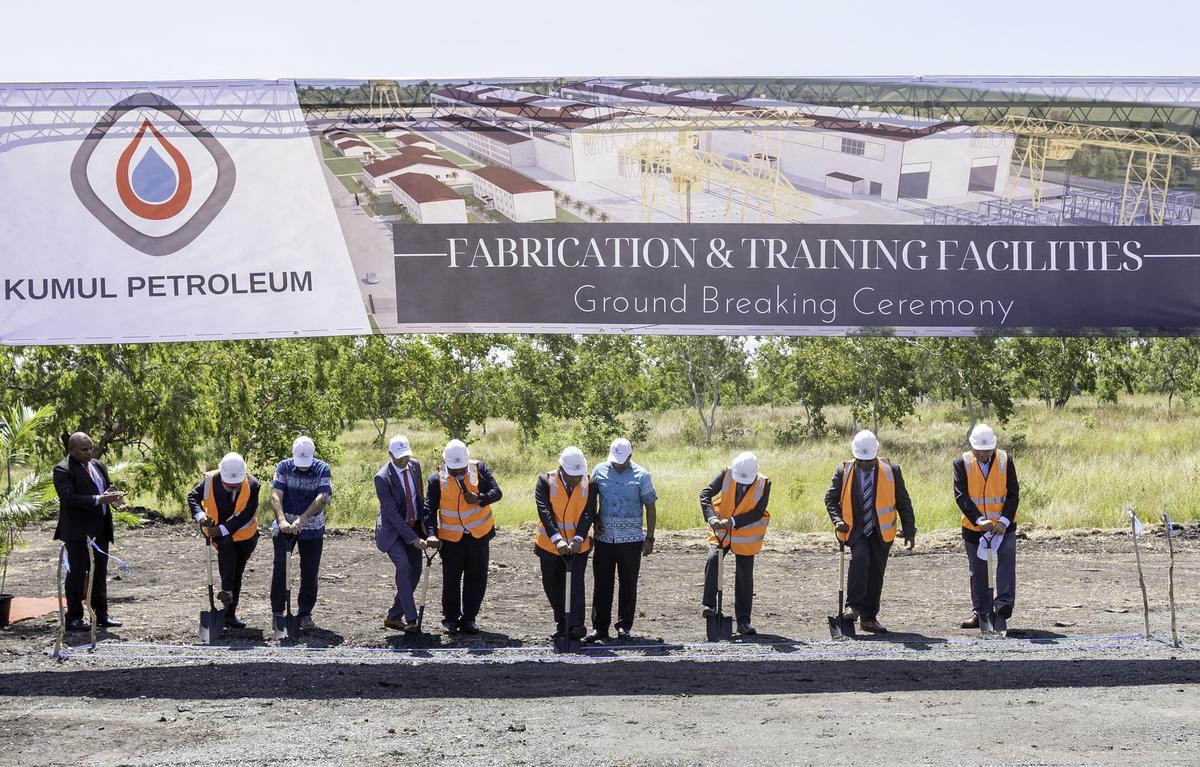
Image 1: Stakeholders from Santos, ExxonMobil and KPHL officially opening construction for the facility and academy..

Kumul Petroleum Holdings LTD will be opening its Steel, Mechanical and Piping (SMP) Facility in 2024.

As reported in THE PNG BUSINESS NEWS Magazine (“Kumul Petroleum Fabrication Facility Ground-Breaking” — News — PNG Business News) , “Managing Director for Kumul Petroleum Holdings LTD, Mr. Wapu Sonk, explained at the opening ceremony of start of construction of the facility, that in preparation for forthcoming LNG and mining developments in the country, Kumul Petroleum is establishing a world-class heavy SMP (Steel, Mechanical & Piping) Module fabrication facility, capable of manufacturing many of the infrastructure components required by such large-scale projects.

Mr Sonk said; “We are pleased to be initiating this industrial plant, since it is important that through this facility the country can demonstrate the real ability to maximize national content in major resource developments – through fabrication of core infrastructure components and training of competent Papua New Guinean tradesmen.”

It’s clear to see that there’ll be lots of job opportunities for our Trades work force coming up once the Facility is up and running, allow them to be trained also in an academy that will co-exist with the Facility. More was stated on this by Luke Liria, the current Corporate Affairs Executive General Manager of Kumul Petroleum Holdings LTD at the recent CANCONEX 2023 event in Lae: “A training facility will be established adjacent to the fabrication facility to train and upskill Papua New Guineans who will be required in large numbers in forthcoming LNG and other major developments in the country.” (“Contributing to Nation Building” — News — PNG Business News)

Industrial piping system, factory pipes
Industrial piping system, factory pipes by U.S. Army is licensed under CC-CC0 1.0 (Image 2: an example of the SMP Piping that will be produced at the SMP Facility to be established out at Motukea, Central Province, Papua New Guinea)

So based on the information provided in the article about Kumul Petroleum’s Fabrication Facility in Papua New Guinea, several job opportunities can be created such as the following listed below:

  1. Construction Jobs: The construction of the fabrication facility itself will require a significant workforce, including laborers, heavy equipment operators, carpenters, and other skilled tradespeople. This includes both the initial phase of early works and subsequent construction activities.
  2. Engineering and Design Roles: The engineering, procurement, and construction (EPC) phase will involve engineers, architects, designers, and project managers who will oversee the facility’s construction and development.
  3. Manufacturing and Production Jobs: Once the fabrication facility is operational, it will require workers for manufacturing large-scale infrastructure components, such as steel, mechanical, electrical modular, and piping packages. This includes welders, fabricators, machine operators, and quality control inspectors.
  4. Maintenance and Facility Management: Ongoing maintenance and management of the facility will create opportunities for technicians, maintenance personnel, and facility managers.
  5. Supply Chain and Logistics: Managing the procurement and distribution of materials for construction and production will require logistics and supply chain professionals.
  6. Training and Education: The establishment of the Kumul Construction Industry Training Academy will create opportunities for educators, trainers, and administrative staff involved in training local talent.
  7. Support and Administrative Roles: Like any large-scale project, administrative and support roles will be necessary, including office personnel, clerks, and administrative assistants.
  8. Local Content and National Employment Initiatives: The project aims to maximize national content, so there will likely be opportunities for local hires, including skilled and unskilled laborers.
  9. Offshore Sector: The facility’s focus on modules for central processing platforms and wellhead platforms for the offshore sector will generate jobs for workers with specialized skills in offshore engineering and fabrication.
  10. Business Development and Sales: As the facility expands its operations and services, there may be opportunities in business development and sales roles to secure contracts and partnerships with other industries in the Asia-Pacific region.
  11. Environmental and Safety Roles: Ensuring compliance with environmental regulations and safety standards will require environmental specialists, safety officers, and compliance experts.
  12. Consulting and Advisory Services: Companies providing consulting and advisory services related to the petroleum, mining, and renewable energy industries may find opportunities to work with Kumul Petroleum.
  13. Marketing and Communications: Marketing and communication professionals may be needed to promote the facility’s services and capabilities.
  14. Community Relations and Social Responsibility: Establishing positive relationships with the local community and addressing social responsibility concerns may lead to community relations and social responsibility positions.
  15. Technology and IT Roles: Managing the facility’s technology infrastructure and software systems will require IT professionals.
  16. HR and Recruitment: Given the plan to employ a significant number of Papua New Guineans, human resources professionals will play a crucial role in recruitment, training, and development.
  17. Legal and Regulatory Compliance: Legal experts and compliance officers may be needed to ensure that the facility complies with all applicable laws and regulations.

Image 3: a great example of spin-off business/benefits would be the Komo Airport in Hela Province, which in this image, has a large Industrial plane, likely carrying heavy equipment and landing to transport to Santos or ExxonMobil sites. The Airport is used by other airlines, speeding up development in the province.

Also, in terms of businesses not directly connected to the facility, the creation and operation of Kumul Petroleum’s fabrication facility in Papua New Guinea can have indirect benefits for various businesses and industries in the region. Here are some businesses not directly associated with the facility that could benefit from its creation and production:

  1. Local Suppliers and Manufacturers: Local businesses that supply materials, equipment, and services needed for the facility’s construction and ongoing operations can see increased demand for their products. This includes suppliers of steel, machinery, tools, safety equipment, and more.
  2. Transportation and Logistics Companies: Companies involved in transportation and logistics will benefit from moving raw materials to the facility during construction and delivering finished products to customers once production starts.
  3. Hospitality and Accommodation: With an increase in workers and contractors in the area during the construction and operation phases, hotels, restaurants, and other hospitality businesses may experience higher occupancy rates and increased patronage.
  4. Retail and Consumer Goods: A growing workforce and increased economic activity in the region can lead to higher retail sales and demand for consumer goods.
  5. Healthcare Providers: The influx of workers may lead to increased demand for healthcare services, including hospitals, clinics, and medical professionals.
  6. Education and Training Centers: The establishment of the Kumul Construction Industry Training Academy suggests a need for educational institutions and training centers to provide relevant courses and programs to support the local workforce.
  7. Real Estate and Housing: The demand for housing in the vicinity of the facility may increase as workers seek accommodation in the area.
  8. Financial Services: Banks and financial institutions may experience increased business activity as a result of loans, mortgages, and financial services required by individuals and businesses involved in the project.
  9. Security and Safety Services: Security companies and safety service providers may see increased demand for their services to ensure the safety and security of the facility and its workforce.
  10. Environmental and Sustainability Services: Given the focus on environmental compliance and sustainability, businesses specializing in environmental assessments, renewable energy solutions, and sustainability consulting may find opportunities to work with the facility.
  11. Consulting and Advisory Firms: Consulting firms that specialize in areas such as project management, legal compliance, regulatory affairs, and business strategy may be engaged to support the facility’s operations.
  12. Research and Development: Companies engaged in research and development, particularly in the fields of energy, engineering, and fabrication, may find collaboration opportunities with the facility to improve processes and products.
  13. Marketing and Advertising Agencies: As the facility seeks to expand its reach and customer base, marketing and advertising agencies may be hired to promote its services and capabilities.
  14. Waste Management and Recycling: Companies involved in waste management and recycling can provide services for handling waste generated during construction and production, promoting sustainability.
  15. Community Development and Social Services: Organizations focused on community development and social services may benefit from corporate social responsibility initiatives associated with the facility.

The establishment of a large-scale fabrication facility can have a ripple effect on the local economy in with the surrounding villages and Port Moresby, creating opportunities for businesses across various sectors and providing a boost to the overall economic development of the region. But more importantly, creating more jobs for Papua New Guineans

Overall, the construction and operation of Kumul Petroleum’s fabrication facility has the potential to create a wide range of job and business opportunities, both directly and indirectly, contributing to much needed economic growth and local workforce development in Papua New Guinea.

And we’ll be sure to notify you of any updates relating to this exciting new project.

Leave a comment, subscribe to our blog to keep updated on latest blog posts and thanks for reading. Until next time….#wokemwok #ThePNGRecruiter

Image 4: A practice SMP Pipe Training facility over at the Kumul Petroleum Acadamy, Idubada, Port Moresby, Papua New Guinea.

Categories
Recruitment Uncategorized

3 ways the Queensland Maroons have showed how an Organization should operate

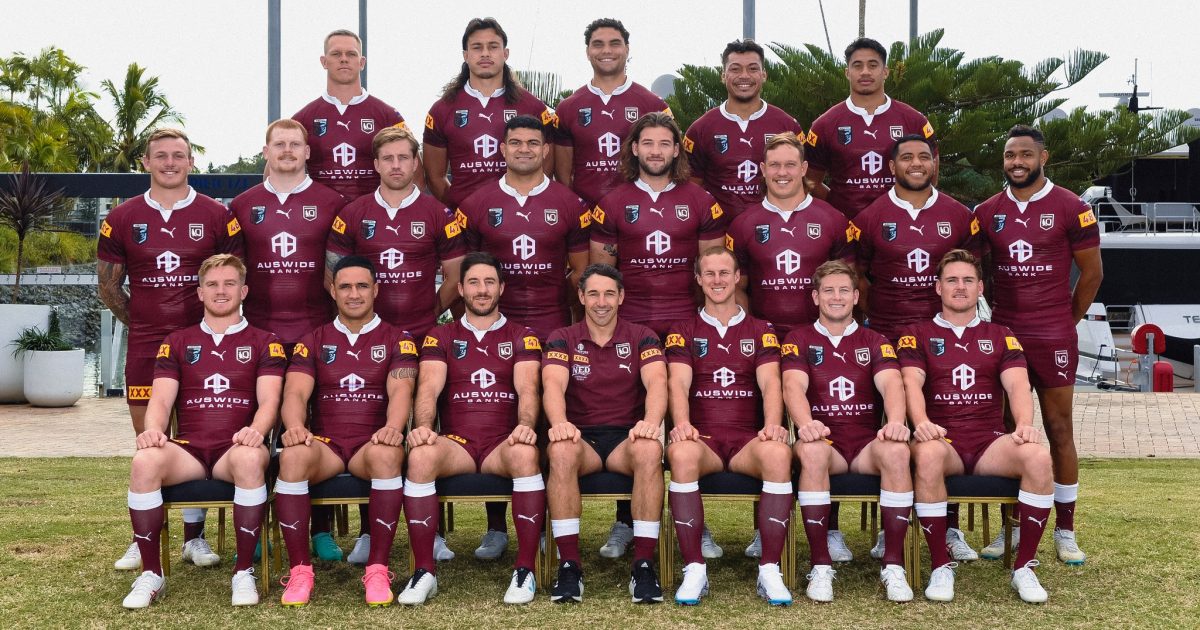
It’s the 21st of June and I’ve just watched my Queensland Maroons thrash the New South Wales Blues 32 – 6 in game 2 to win the State of Origin series for 2023, after winning game 1 last month in typical Queenslander, never-say-die fashion.

Leading up to the match, a couple of things I picked up from their preparations leading up to the game, as reported via various Australian media outlets, which I feel are great examples of how any organization should aim to operate like, whether in sports or in a corporate setting to achieve desired results:

1. Working towards one goal

It was reported that Queensland Maroons legend and current coach, Billy Slater, brought in a motto that team adopted in Maroon’s camp, to unite all the players and staff to achieve success. Using the African word, “Ubuntu”, as a team Mantra, which means ‘I am because we are” in the Zulu language of South Africa, has united the team across the board, to the point where regardless of where the player’s and staff’s respective NRL clubs are on the ladder or whatever in-house issues their clubs have or personal issues outside of camp the players are facing, they are focused on one vison, one mantra where the team can focus their mindset and efforts on to meet the expected results. Read this article to confirm: https://wwos.nine.com.au/nrl/state-of-origin-2023-queensland-maroons-reveal-meaningful-team-motto-ahead-of-game-two-exclusive/046cfddd-f555-4190-b365-2ae2150cb76a

2. Harnessing a winning culture from past to present

One of the great things I love about the Queensland Maroons is how they make sure they continue to harness a winning culture, by connecting the past players and victories to the jerseys they wear. Like when a new player wears a jersey, they remember the past players who wore that jersey number and recall from their childhood what they did on tv in that jersey number. And they can’t ever forget as their statues, films, posters, images are all are everywhere, coming towards the series. That would create a sense of passion and responsibility in the players, to match the feats past players achieved when they wore that jersey number.

It’s embedded further when majority of the coaching staff are former players who’ve been part of great victories from the past, especially from the era of the 8 series winning streak by the Mighty Maroons from 2006 – 2013. From from Head Coach Billy Slater, to his assistants in Cameron Smith, Jonathan Thurston, Josh Hannay, Greg Inglis, Nate Myles….to get insight from players from a time that bred success for so many years, that would be more then enough to instill a sense of pride and, purpose and passion to go above in beyond in the arena to perform at their best.

The same can be said for in the corporate arena: leaders in organizations must set the standard they expect from their organization by being an example of their own and the organisation’s expectations 1st before the organization can achieve the expected results. Doing this on a consistent basis will allow for the breeding of a winning culture in the workplace to flourish, allowing for new employees entering the organization to buy into it’s vision and goals, motivating existing employees to continue to work well too to maintain or build positive results. Find below a link to a YouTube video on the 2022 Queensland Maroons Coaching Staff and why their organization is special:

3. Creating a competent pool of talent

The Maroons “next man up” mentality has worked well for them so far, as when players initially selected in the side for game one miss out on game two due to injuries or suspensions in their club games. Fresh players are willing and motivated to come in and contribute to the team to win. Some have even been mentored during pre-season camps called “Emerging Maroons” camps and entered camps as reserves who take part in everything the starting squad does, but don’t actually play as they are on standby should anyone in the starting squad fall injured before the game.

In doing such programs, the Maroons are able to nurture talent before it gets into senior positions, which would ne the starting side. When spots are available after older players retire, “the next man up” mentality kicks in to play, allowing for fresh, motivated talent to enter the vacant spot and carry what needs to be done for the organisation.

Therefore, in my opinion, the key to managing competent and motivated talent pool in the workplace is to maintain and develop a positive environment for existing and new employees on a continues basis. Just like in the above examples, there are various ways of accomplishing this. A few examples in the workplace would be through bonuses, incentives, employee benefits, team bonding sessions, workplace trainings, performance appraisals, issuing pay rises that reward good performances in the workplace, etc. Graduate Development Programs (GDP) would be on par, in my opinion with the Maroon’s own “Emerging Maroons” camps so exposing potential young talents to various important functions of the business can mold and shape graduates to be better prepared for the any permanent vacancies in the organization or elsewhere.

The above are only my ideas and opinions, but if you’d like to discuss further, do leave a comment or message me. Cheers to another series win!

Categories
Recruitment Uncategorized

The need for an ICT- informed Blue Collar Workforce

From my 8 years of experience as a recruiter, I’ve always used LinkedIn to search for top candidates that suit vacancies for my clients. Whether for White- or blue-collar roles, Linkedin has always been a handy space for me to search, find and connect with potential candidates, build my network there or share opinions with others in my network regarding any work relevant topics, even learning new skills, information and techniques. It’s an effective social media site for professionals to seek employment opportunities, leads for businesses, learning new information, etc. The benefits and potential for all is immense…

black and white laptop computer on brown wooden desk
Photo by Pixabay on Pexels.com

The most common roles that I get requests from clients in my career are for Blue collar job vacancies. Examples would be for Heavy Equipment Fitters, Mechanical Fitters, Boilermakers, Welders, Heavy Equipment Operators, Carpenters, Electricians, Auto Mechanics, Auto Electricians, etc.

But there’s one main issue I always face when searching blue collar workers there: they are not many Blue Collar talent on LinkedIn.

So what does the term blue collar mean? When I asked @Chat GPT, it’s answer was this: “The term “blue collar” typically refers to a type of job or work that involves manual labor and is typically performed by individuals who may wear durable work clothing, often colored blue, as part of their uniforms. Blue-collar jobs are often associated with industries such as manufacturing, construction, maintenance, transportation, and other physically demanding occupations.”

And those that are on the social media platform aren’t using it as well as it’s meant to be used. Examples would be not listing all their former employers on their profiles, not putting their email/mobile phone numbers on their profile for recruiters to use to contact them, not putting information like machinery, tools used on the job, etc. This makes it difficult for me or any other recruiter to gauge their experience or contact them to have a conversation regarding the vacancy on hand.

action adult athlete build
Photo by Pixabay on Pexels.com

The Blue collar workforce here in Papua New Guinea who aren’t knowledgeable in utilizing social media to market themselves effectively to potential employers makes it difficult for recruiters to find them to communicate job opportunities. Recruiters are now using the latest in information systems & communication to source qualified blue collar workers, like social media, cloud technology, Sophisticated Application Tracking Software’s, Video Calling Software, AI, etc, but the majority of them aren’t informed about how to utilize them to their advantage as a tool to maximize gaining employment opportunities.

Blue collar workforce in PNG must inform themselves as much as they can on how they can use current trends in Information Communication & Technology. There really is no excuse at all for them to not know how to anymore. If we can put so much thought and effort into creating videos on Tiktok or scrolling on Facebook or Instagram , we should have knowledge on how to create an email address via Gmail, actively apply for jobs via Job Sites like PNGWorkforce.com or PNGJobSeek.com, or research contact details of potential employers via their websites, etc.

a man and woman doing carpentry
Photo by Tima Miroshnichenko on Pexels.com

And I know the excuse of having to pay to access these tools can cost you money but I believe if we can spend so much on betel nut, cigarettes’ and alcohol, there shouldn’t be an issue with spending money on data to access tools, knowledge and information regarding job seeking.

So if your a Tradesman or woman, Blue Collar worker , or know anyone who works in this field of work and is having issues with getting a job, share this blog with them to let them know that no one is going to teach you how to use the Information Communication Technology to your advantage to obtain that dream job. Em stap long han blong u!

And if you need advice, feel free to message me.

Until next time, thanks for reading.

#ThePNGRecruiter

person holding a tape measure
Photo by Antoni Shkraba on Pexels.com
Categories
Recruitment

My thoughts on the “youth unemployment crisis” in PNG & 3 quick ways to fight it

On Tuesday, the 25th of October 2022, while scrolling down on my mobile’s Facebook app that evening, I found a link to a report whose title caught my attention. Australian Broadcasting Corporation (ABC) Reporter Kyle Evans’ report focused on Papua New Guinea’s “unemployment crisis.” The report’s title read, “PNG’s unemployment crisis pushing young people to breaking point.”

To summaries the report’s specifics, Kyle first interviews Bernard Kakori, an Economics Degree Holder who has been searching for employment in Port Moresby for over two and a half years and has sent over 100 applications but interviewed three times only, all of which he was unsuccessful. He knows others in similar situations who resort to crime to get by in the city. 

He also mentions that bribery is common among potential employers in exchange for jobs. With the added pressure of meeting family expectations back home and the financial burden of supporting him with his job search, Bernard races against time to find employment.

Interviewed next was Julian Melpa. She is a research intern at the PNG National Research Institute (NRI). She released a research paper related to the same issue of youth unemployment in the country titled “Spotlight Volume 15, Issue 13: Factors that restrict the availability of job opportunities for the youth in Papua New Guinea“. I then came across some startling statistics. Julian mentions that “after surveying people living in Morata, Port Moresby, she found that 32 percent (n=103) of the urban youths out of 318 respondents are employed.

Furthermore, 68 percent (n=215) are unemployed while only 12 percent used (n=14) are engaged in formal jobs and 86 percent (n=89) are in the informal sectors respectively. It clearly shows that only a few youths in PNG are involved in formal employment while the majority are unemployed.” (Melpa, 2022)

And to finish the report, the President of the Port Moresby Young Chamber of Commerce, Natasha Austin, says that a contributing factor was that undergraduates lacked basic skills when entering the workplace due to a “gap between the industry and institutions,” which is demotivating managers to hire graduates.

I’ve been working in the recruitment industry for seven years and am familiar with all the issues and possible resolutions raised in the report. They are the primary motivators for me to start this blog, as its goal is to Empower Papua New Guineans with information to win in the job-seeking world.

Also, as a Recruitment professional, I’m used to seeing opportunities in the jobs market for graduates go unnoticed. I’m constantly left disappointed by this as they become too prevalent. It’s not always the Government or Educational Institution’s fault, but it equally is the job seekers as well. That will be my point of view on this subject.

With that, here are three factors I believe are causing these perceived high levels of youth unemployment in PNG, along with three quick and simple resolutions a recent grad needs to incorporate in their job-seeking process to fight unemployment:

Photo by energepic.com on Pexels.com
  1. Lack of drive and persistence in pursuing jobs with a holistic approach

“Don’t put all your eggs in one basket” is a proverb I think of every time I see someone complain about a lack of job opportunities on LinkedIn or Facebook. The saying means “to not risk everything on one venture.” Many people have risked everything for one job opportunity, probably because it’s their dream job or because they think they’re entitled to it. What happens when someone does this? They start feeling impatient and frustrated when awaiting feedback; they’re “ghosted” after applying for a job or unsuccessful in getting a role. This feeling builds negativity in themselves towards the system and the world, hence the various complaints about the lack of job opportunities in PNG.

The best thing to do before getting into this ugly, wasteful position is to constantly apply for multiple roles that suit your qualifications and experience. It may be tiresome or consume money to do this daily, but hey, if you can habitually pay for betel nuts, cigarettes, or Mobile Phone credits, there is no reason to be demotivated towards spending money towards finding a job, is there? So, you must have the drive and persistence to pursue employment in a holistic approach by applying to jobs every day via whatever platform. I guarantee you will get some good results.

Photo by Nathan Cowley on Pexels.com

2. Lack of knowledge on tailoring applications to be screened efficiently by Recruiters

A stage of the Recruitment Process is creating a pool of strong candidates that match the requirements of a vacancy recently advertised from all the applications received in response to it. A longlist has to be submitted to the supervisors or hiring managers to approve the shortlist of candidates to interview. Recruiters need to complete this as soon as possible. The longer the vacancy stays open, the more issues it creates in the organization, as there needs to be someone competent in the role to offset its responsibilities, which can contribute to a delay in achieving company goals and targets.

And one of the typical delays in this stage of the recruitment process is when recruiters review disorganized CVs, which consumes the recruiter’s time in reviewing. For a list of the ten most common CV mistakes to avoid, click on the link HERE to have a read.

So what’s the solution to this? There is so much information on the internet; all one has to do is research. You can start by asking employed friends or relatives to give you a copy of their CV and format yours according to theirs. So there’s no harm in copying their CV format. After all, they did get their current job with that CV. Or search for information on the internet. The world’s most extensive library is in the palm of our hands, in the form of a mobile phone, so we should start using it effectively if we are serious about getting employed.

What about Cover Letters? The purpose of the Cover Letter is for one to match their experience with the requirements & responsibilities of the vacancy. If you can complement between 95 – 100 % of the requirements/responsibilities of the vacancy with your qualifications and experience, you have a great chance of being called in for an interview. What happens if you can’t? That would mean you are not suitable for the vacancy or have failed to display the experience and qualifications you possess to match the vacancy’s requirements in your Cover Letter. I’ve seen this countless times, and it always disappoints me as competent people for vacancies sell themselves short in the recruitment process. 

And what about Support Documents? The best way to send them is by merging them into one PDF document (the best form to keep your CV + Support Documents in). Also, this allows for quick referencing when matching the info stated in your CV with the support documents. Avoid sending copies of your support documents separately/one by one or by taking pictures of them. It gives the impression of being disorganized or unprepared; someone, the organization, wants to avoid hiring. And where can you merge PDF documents? Online, of course. There are many sites where you can merge all your PDF documents into whatever arrangement is best for you. Just type into the Google search engine “Merge PDF Documents online,” and it will give you an array of sites where you can upload, merge and download your documents.

Knowledge on the best way of presenting your application in a well-organized manner is all on the internet and with your friends & family who have jobs. A well-organized and structured application allows recruiters to select suitable candidates to be interviewed, allowing for timely feedback to be given to all stakeholders and for the right candidate to be chosen for the vacancy.

Photo by Anna Shvets on Pexels.com

3. Lack of motivation to take alternative career paths where qualifications can be applicable in

What jobs can someone have with a Diploma or a Degree in Accounting? You’re probably thinking of job titles like Accountant, Accounts Officer, Accounts Payable Officer, Accounts Receivable Officer, etc. That’s it? Wrong. People with these qualifications as Bank Tellers, Customer Care Agents, Warehouse Assistants, Fuel Pump Attendants, etc.

The above is an example of the various career paths one can take regardless of qualification. One of the main reasons it takes time for recent graduates to get employed is that they’re applying for jobs according to their studies. That is understandable, as their teachers/lecturers taught them this. But it then causes new grads to be unemployed for years due to this mindset, as most of those jobs are still occupied or require experienced personnel to fill them. So what measures should a Certificate/Diploma/Degree Holder take to give themselves a chance at being employed ASAP?

The key is to never have preferences for specific jobs when starting your journey to obtaining employment, especially when you have no work experience. It would be best if you got any position to build your experience at this stage, as all jobs these days require candidates to have a certain amount of experience. Just take the job, whether it’s on a volunteer basis or the rate is right on the National Minimum Wage of K3.50. See it as an opportunity to build your experience so there will be no issues applying for jobs requiring years of experience later.

When you don’t have any expectations or preferences of what sort of roles suit you, you’ll open yourself up to more job opportunities. Just get your foot in the door and make the most of the opportunity.

So to conclude, I do agree that PNG’s youth are on the brink of an “unemployment crisis,” and while the government needs to do its bit by creating more employment opportunities, it will take time, as all public processes do in this country. The longer we wait for help, the worse the crisis gets. So our youth must empower themselves with the knowledge to apply for jobs effectively, extensively, and consistently for whatever job opportunities are available, whether voluntary or paid right on minimum wage to fight against the unemployment crisis. Wok em wok, wokim tasol.

Until next time, thanks for reading.

#ThePNGRecruiter

Photo by Andrea Piacquadio on Pexels.com
Categories
Recruitment

“Ghosting” in Port Moresby.

Photo by Ivan Samkov on Pexels.com

I recently resigned from a company in Port Moresby because I experienced poor practices of professionalism. This resulted in me being unemployed for 3 months.

During that period, I applied for jobs and was lucky to be interviewed by organizations but surprisingly, only a few gave feedback after the interviews were completed. I expected tangible feedback through basic communication platforms like email, phone, or even LinkedIn, but received none. And mind you, I am still connected to the interviewers on LinkedIn. So as a professional recruiter who has been in the business for 7 years, I saw this as very unsavory, unprofessional conduct on their part.

This, in my opinion, creates a long-lasting negative impression of the company in the minds of the interviewee. Bad experiences (such as mine) travel amongst peers, thus influencing and cutting off a potential thread of talent for the company to tap into should the position become vacant in the future.

Now, I’m not being bitter here but I pride myself on being a professional recruiter because I strongly believe we need to make it our business to maintain the required professional expectations and standards.

I follow a few other blogs on LinkedIn and one of them has given a term for this unwarranted professional behavior, called “Ghosting“.

To give you a close definition of the term, here is a link to a blog done by Alex Christian called Why workers and employers are ghosting each other, where Alex states that “Ghosting was originally coined in the dating world: it meant a sudden, unexpected end to all contact. It’s a social phenomenon increasingly being co-opted in the workplace – and put into practice on either side of the interview table.“

“Ghosting was originally coined in the dating world: it meant a sudden, unexpected end to all contact. It’s a social phenomenon increasingly being co-opted in the workplace – and put into practice on either side of the interview table.” – Alex Christian, Why workers and employers are ghosting each other.

To give you a clear picture of my “ghosting” experience, here are the stats on the total number of organizations I was interviewed by, the number of organizations that gave feedback, and organizations I declined due to various reasons unrelated to this blog post:

The number of organizations I was interviewed by between May – September 2022:
8

The number of organizations that provided adequate feedback on my interview results between May – September 2022:
2

The number of organizations that did not give feedback on my interview results between May – September 2022:
4

The number of organizations that I was interviewed by made offers but I declined due to various reasons between May – September 2022:
2

Out of a total of 8 interviews, 50% of organizations that interviewed me did not provide any feedback on my interview results, while 25% provided feedback and the remaining 25%’s offers were unfavorable.

Thus, the figures demonstrate that “ghosting” is widespread in Port Moresby by organizations, which I respectfully will not reveal in this blog, as it is not my desired intention but it is to merely empower Papua New Guineans with information to win in the world of job-seeking using my personal and professional experiences.

So why is “ghosting” frequently occurring in Port Moresby? I’ve been able to identify some key reasons and potential solutions, based on my professional experiences as a recruiter, and are discussed below:

Photo by Oladimeji Ajegbile on Pexels.com

The daunting effort of responding to the mass applicants.

It’s essentially important to leverage technology to ease the load of responding to a relatively high volume of unsuccessful applicants, a practical tip is sending out template emails to all unsuccessful candidates, utilizing the blind copy function.

Lack of professional empathy being demonstrated by interviewers.

Professional recruiters need to demonstrate an adequate level of understanding the perspectives of the job seekers’ urge to receive tangible feedback. Being courteous and kind goes a long way.

Lack of clear and concise communication between the interviewers and their direct reports on how to maintain effective management of the recruitment process.

Clear and concise communication needs to be maintained between the interviewers (Recruitment Consultants) and their direct reports (Recruitment managers/Supervisors) to avoid miscommunication issues or assumptions during the recruitment process. Poor communication leads to raised assumptions between team members and is a negative risk factor that enables “ghosting”. There are many detrimental factors that lead to this point but it will be discussed in another blog.

Incompetent recruitment managers or coordinators who lack credible academic knowledge and skills have the tendency to overlook the importance of working within set time periods.

Delays in maintaining an engaging and effective recruitment process with clients or stakeholders become a negative cost factor to the recruitment operations and the organization as a whole. Organizations need to employ suitable Recruitment Managers or Coordinators who have the required qualifications, skills, and experience. This will bridge the gap between time inefficiencies and improve performance outcomes or success rates of the organization.

In all fairness, I would like to commend the two (2) organizations that gave feedback on my interview results even though I was unsuccessful. I appreciated the detailed feedback as it enabled me to make well-informed decisions about my performance in order to prepare for other interviews.

In this constantly evolving technology and business world, organizations and professionals behind the recruitment desk need to maintain professional accountability and cultural awareness that will enable them to reach their full potential.

Let me finish this blog by quoting a famous verse from the Holy Bible, Mathew Chapter 7: Verse 12: “In everything, then, do to others as you would have them do to you. For this is the essence of the Law and the Prophets.” To put this into perspective, what we put into the world, will come back to us in return.

If you’ve experienced “ghosting” anywhere in PNG during your job-searching pursuits, I would love to hear about it in the comments below.

But until next time, thanks for reading. #ThePNGRecruiter

Photo by Melissa on Pexels.com