Hi all, we have a client based in Port Moresby that is seeking a dedicated SALES & ADMIN OFFICER to join their team. Refer to the advert below for more info.
#Rel8 #TapiocaDelight #WokEmWok #ThePNGRecruiter



Hi all, we have a client based in Port Moresby that is seeking a dedicated SALES & ADMIN OFFICER to join their team. Refer to the advert below for more info.
#Rel8 #TapiocaDelight #WokEmWok #ThePNGRecruiter
Hi all, we have a client based in Port Moresby that is seeking a talented and passionate COMMERCIAL COOK/CHEF to join their business. Refer to the advert below for more info. #Rel8 #TapiocaDelight #WokEmWok #ThePNGRecruiter


Hi all, belated Happy New Year. Thought we’d just reconnect with you after some time. If you’re reading this message, be advised that our website (thepngrecruiter.com) is back online .
Yes! We are back to informing you about everything there is to know about jobs and employment opportunities here in Papua New Guinea! We’re super excited and hope you are too.
Apart from that, here’s an update on what we’ve bee doing so far since we were offline:
That’s about it guys, hope to put out our next blog in the coming days as we’ve seen a few opportunities we’d like to document for your reading and education.
Until next time……#wokemwok #thepngrecruiter

Here is a great article in the Post-Courier from last year about a guy named Canute Alohea, who started with the Ramu NiCo Mine (Madang Province, PNG) as a Carpenter but over the course of his 10 years of employment with them and through attending numerous in-house trainings, he’s now a Supervisor of the Open Pit Mine there (/https://www.postcourier.com.pg/from-carpenter-to-open-pit-mine-supervisor/)
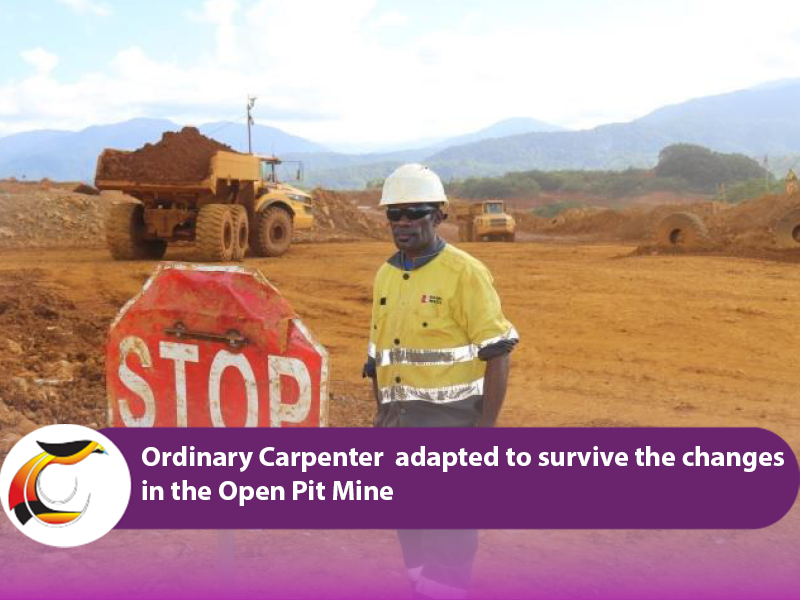
SO WHAT’S SO SPECIAL ABOUT THIS ARTICLE?
This article show a great example of what Transferrable Skills can do in helping a Carpenter like Canute to becoming a Mining Pit Supervisor. Now you may say that it’s only because the in-house trainings Canute attended enabled him make a successful shift from Carpentry and into Mine Pit Supervising, you are right but Transferrable Skills can be realized and utilized at the jobseeker level to obtain jobs fast.
SO WHAT EXACTLY ARE TRANSFERRABLE SKILLS?
Here’s what we found about Transferrable Skills:
Transferable skills are abilities, knowledge, or experiences that can be applied and adapted across various roles, industries, or situations. These skills are not tied to a specific job or field but can be utilized in different contexts. Transferable skills are valuable because they enable individuals to transition between jobs, sectors, or even career paths more smoothly. They are often considered fundamental skills that contribute to overall success and effectiveness in the workplace. Some examples of transferable skills include:

These skills are often sought after by employers because they contribute to an individual’s overall competence and adaptability in the workplace, regardless of the specific job or industry. Additionally, transferable skills can be developed and honed over time through education, training, and real-world experiences, making them valuable assets for career growth and professional development. (https://chat.openai.com/share/ca4fdee1-26b8-4ada-9f95-5a0d4c565fe5)
In laymen’s terms, Transferrable skills can be carried over from one job to another. These skills don’t necessarily have to be thought in school, but can be learned on the job, at home in your own time, in a sports team, in church, anywhere, etc.
SO HOW CAN TRANSFERRABLE SKILLS HELP LESSEN THE EFFECTS OF UNEMPLOYMENT IF REALISED BY ALL CURRENT AND FUTURE JOBSEEKERS?
Here’s what we found in regards to the above questions:
If all current and future job seekers possess transferable skills, it can significantly mitigate the effects of unemployment in several ways:
Overall, the widespread recognition and utilization of transferable skills among job seekers can contribute to a more resilient workforce, reducing the negative impacts of unemployment and fostering greater adaptability in an ever-changing labor market (https://chat.openai.com/share/ca4fdee1-26b8-4ada-9f95-5a0d4c565fe5).

SO WHERE CAN I GET TRANSFERRABLE SKILLS FROM?
Transferable skills can be acquired and developed through various means, including:
By actively seeking out opportunities to develop and strengthen transferable skills through these various avenues, individuals can enhance their overall competence, adaptability, and employability in the workforce (https://chat.openai.com/share/ca4fdee1-26b8-4ada-9f95-5a0d4c565fe5).

By taking part in the above, you are giving yourself a chance to develop skills that are produced from basically taking part in organized activities for free. All one needs is to make time available to take part. But now that you’ve read this, we hope you have a sense of direction and goals in place on what you want to obtain from such activities and organizations through volunteerism and charity.
So when you go into a job interview with zero job experience, you got your Transferrable Skills to rely on, they’re documented in your CV and Cover Letter and you have references to back your Transferrable Skills from wherever you obtained them from. If everyone realized these skills before graduating from our schools and colleges, we’d have less unemployment issues in our country. That’s one of our many theories on how we can empower ourselves to win in the world of job seeking in PNG.
Thanks for reading and comment and let us know your thoughts, follow us on LinkedIn Facebook and Instagram and sign up to our blog if you haven’t yet.
Until next time….#wokemwok #thepngrecruiter
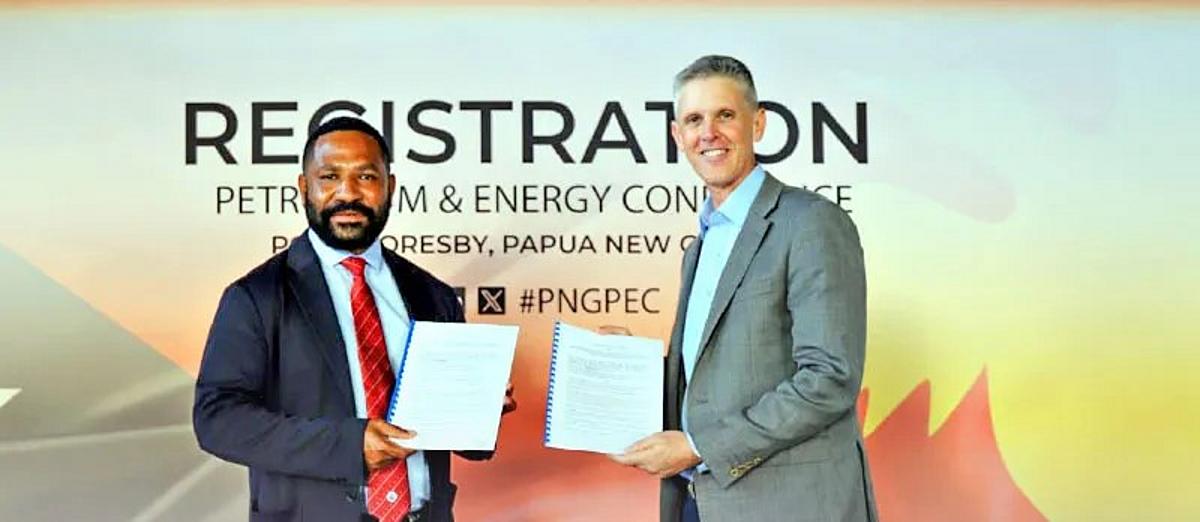
It was reported on The PNG Business News website that Newcrest Mining LTD and the newly established National Energy Authority had signed a Memorandum of Understanding (MoU) identify, develop, implement and finance potential renewable projects in Papua New Guinea (“Newcrest Mining and National Energy Authority Sign Agreement for Renewable Energy in PNG” — News — PNG Business News).
Per the link above to news article, National Energy Authority (NEA) Managing Director, Mr. Ronald Meketa, mentioned that, “As the custodian of the National Energy Policy 2017-2027 target to provide electricity to 70 per cent of households in the country by 2030 by harnessing renewable energy sources, the MoU sets out the framework for closer cooperation and partnership with the Newcrest Mining Limited to deliver strategically placed development of renewable energy projects throughout the country.”

Image 1: National Energy Authority Managing Director, Mr Ronald Meketa (left) presenting the signed MoU with a representative from Newcrest Mining LTD during the Petroleum & Energy Summit in Port Moresby, September 13th 2023.
SO WHAT IS RENEWABLE ENERGY?
According to our research, Renewable energy is energy that is derived from natural processes that are replenished on a human timescale. Unlike fossil fuels, which are finite and release greenhouse gases when burned, renewable energy sources are considered sustainable because they produce little to no direct emissions and can be continually replenished. Some common sources of renewable energy include:
Renewable energy sources are considered environmentally friendly because they have a much lower carbon footprint compared to fossil fuels. They contribute to reducing greenhouse gas emissions and combating climate change. Additionally, renewable energy sources are considered inexhaustible on human timescales, as they are not depleted when used.
The development and adoption of renewable energy technologies have gained significant momentum in recent years as a means to address climate change, reduce air pollution, and decrease reliance on finite fossil fuel resources (Source: Chat GPT).
We’ve heard of projects such as PNG Biomas, and organizations like Fortesque Future. All can be classed under the Renewal Energy Sector.
NOW, WHAT JOB OPPORTUNITIES CAN BE CREATED FROM THE RENEWABLE ENERGY SECTOR?
The renewable energy sector offers a wide range of job opportunities across various fields. These jobs are essential for the development, implementation, and maintenance of renewable energy technologies. Here’s a detailed list of job opportunities in the renewable energy industry:
2. Wind Energy:
3. Hydropower:
4. Biomass and Bioenergy:
5. Geothermal Energy:
6. Ocean Energy:
7. Renewable Energy Consultancy:
8. Manufacturing and Supply Chain:
9. Research and Development:
10. Regulatory and Policy Roles:
The renewable energy sector is continually evolving and expanding, offering a diverse range of job opportunities for individuals with a wide variety of skills and backgrounds globally. And as PNG continues to invest in cleaner energy sources, the demand for these jobs is expected to grow further. Forming such organizations as the National Energy Authority and making key partnerships with organizations like Newcrest Mining LTD means that PNG is serious in taking the next step towards sustainable, clean energy sources apart from what PNG Power is currently providing our nation.
Thanks for reading and as always do share our blog with your respective networks, drop a comment here or on our social media site, subscribe to our blog to receive auto updates on new blogs, follow us on LinkedIn and Facebook and let us know your thoughts there also. Until next time………..#WokEmWok #ThePNGRecruiter
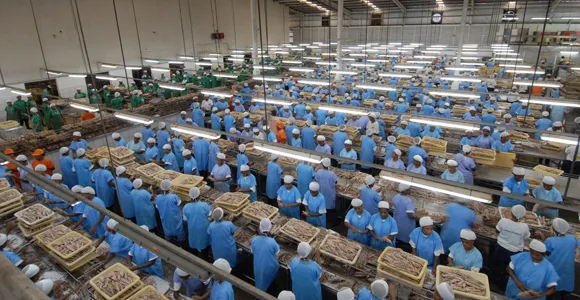
PNG Haus Bung News Website Reporter Emmanuel Maipe reported on July 15th, 2023, that the PNG Government is to go into a Joint Venture Partnership with Filipino owned and longtime Tuna Processing & Cannery in Madang Province, RD Corporation or better known in PNG as RD Tuna Cannery (STATE & RD TUNA ENTER INTO JOINT VENTURE PARTNERSHIP – PNG Haus Bung ).
Per the above-mentioned article, “The National Government has signed a Memorandum of Understanding (MoU) with RD Tuna Corporation that will see in the near future more locally owned fishing boats within the waters of Papua New Guinea (PNG), creating more employment opportunities for the people.”
Also, “The MoU signed this morning (July 15th 2023) in Port Moresby aims to negotiate commercial terms for the State and RD Corporation to set up a Joint Venture (JV) company to initially fish and process all the catch in a new possible cannery within the PMIZ (Pacific Marine Industrial Zone) as a Special Economic Zone (SEZ).”

Image 2: RD Tuna Operations (Source_RD Tuna Website)
SO, WHAT TYPE OF JOBS CAN WE EXPECT TO BE CREATED FROM THIS JV?
The signing of the Memorandum of Understanding (MoU) between the National Government and RD Tuna Corporation with the aim of creating more locally owned fishing boats and a new cannery within the Pacific Marine Industrial Zone (PMIZ) in Papua New Guinea has the potential to generate a variety of employment opportunities. Here’s a list of jobs that can be created because of this collaboration, along with details about each of them:
1. Fishermen and Fisherwomen: These individuals will operate the fishing boats, conducting fishing activities in the waters of PMIZ in Madang Province, PNG. They will be responsible for catching fish and other seafood.
2. Deckhands: Deckhands work on the fishing boats and assist the fishermen in various tasks such as handling fishing equipment, maintenance of the vessel, and other on-deck activities.
3. Fish Processing Workers: Once the catch is brought to the cannery, fish processing workers will be needed to clean, fillet, and prepare the seafood for further processing and packaging.
4. Cannery Workers: Workers in the cannery will be responsible for operating the machinery that processes and packages the seafood. This includes canning, freezing, and quality control.
5. Quality Control Inspectors: Quality control inspectors will ensure that the seafood products meet industry and safety standards. They will conduct inspections at various stages of processing.
6. Administrative and Management Staff: Administrative and management roles will be required to oversee the operations, manage logistics, and handle administrative tasks such as HR, finance, and compliance.
7. Mechanical Fitter Machinists and Engineers: These individuals will be responsible for maintaining and repairing fishing vessels, cannery equipment, and other machinery as needed.
8. Logistics and Supply Chain Specialists: Professionals in logistics and supply chain will manage the transportation of raw materials and finished products to and from the cannery.
9. Marine Biologists and Environmental Specialists: Experts in marine biology and environmental science may be employed to ensure sustainable fishing practices and minimize the environmental impact of the industry.
10. Warehouse and Inventory Managers: Individuals in these roles will manage the storage of raw materials, finished products, and inventory within the cannery and distribution facilities.
11. Sales and Marketing Personnel: Sales and marketing professionals will promote the seafood products locally and internationally, expanding market reach and sales.
12. Safety and Health Inspectors: Ensuring the safety and health of workers in a potentially hazardous environment is crucial. Safety and health inspectors will monitor and enforce safety regulations.
13. Research and Development Specialists: Research and development teams can work on product innovation and improving processing techniques to increase efficiency and product quality.
14. Packaging and Labelling Specialists: Specialists in packaging and labelling will ensure that products meet regulatory requirements and are attractively packaged for consumer appeal.
15. Accountants and Financial Analysts: These professionals will handle financial matters, budgeting, financial analysis, and reporting for the joint venture company.
16. Legal and Compliance Officers: Legal and compliance personnel will ensure that the business operates within the bounds of the law and international trade regulations.
17. IT and Technology Support: In the modern business landscape, IT and technology support staff will be essential for managing software, data, and communication systems.
This collaboration has the potential to generate a wide range of employment opportunities in various sectors, including fisheries, processing, management, and support services, benefiting, and contributing to the economic development of Papua New Guinea.

For further information on the JV, here are some other links we’ve provided, click on them below:
Let us know your thoughts on this soon to come project by commenting below, subscribe to our blog to receive auto updates on new blogs, follow us on LinkedIn and Facebook and let us know your thoughts there also. Until next time………..#WokEmWok #ThePNGRecruiter
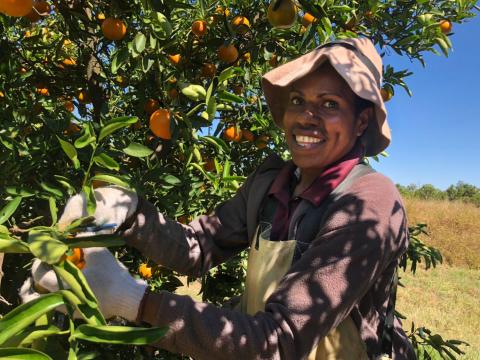
Post Courier have reported on the 26th of September 2023 that “PNG has the lowest participation of people in engaged in the Labour Mobility Scheme (LMS) in Australia and New Zealand to other smaller Pacific Island Countries” (Lower participation of PNG in the labour mobility scheme – Post Courier).
I also posted (from the top of our head) 3 possible reason’s that could be contributing factors to the above mentioned (https://thepngrecruiter.com/2023/09/28/3-possible-reasons-why-the-labour-mobility-scheme-pacific-australia-labour-mobility-scheme-has-a-low-number-of-png-participants/)
But there are more deeper issues effecting PNG’s participation numbers in the scheme, as we’ve read from various comments made by our readers, which continue to startle us. Find below a few of the comments made regarding our blog and LinkedIn posts on this Employment Issue and a big thank you to everyone who commented on our posts via LinkedIn :


Once again, thank you to everyone mentioned above in our screenshots who contributed to the conversation on this issue. Appreciate it and as always, subscribe to our blog to receive the latest updates and on our LinkedIn and Facebook pages. And do comment and let us know which of the above comments is your favorite or let us know your thoughts on this issue, we’d love to hear from our readers.
We’ll continue to create conversation on this and any other issue and solution to the imposing figure of unemployment in PNG.
Until next time…….#WokEmWok #ThePNGRecruiter
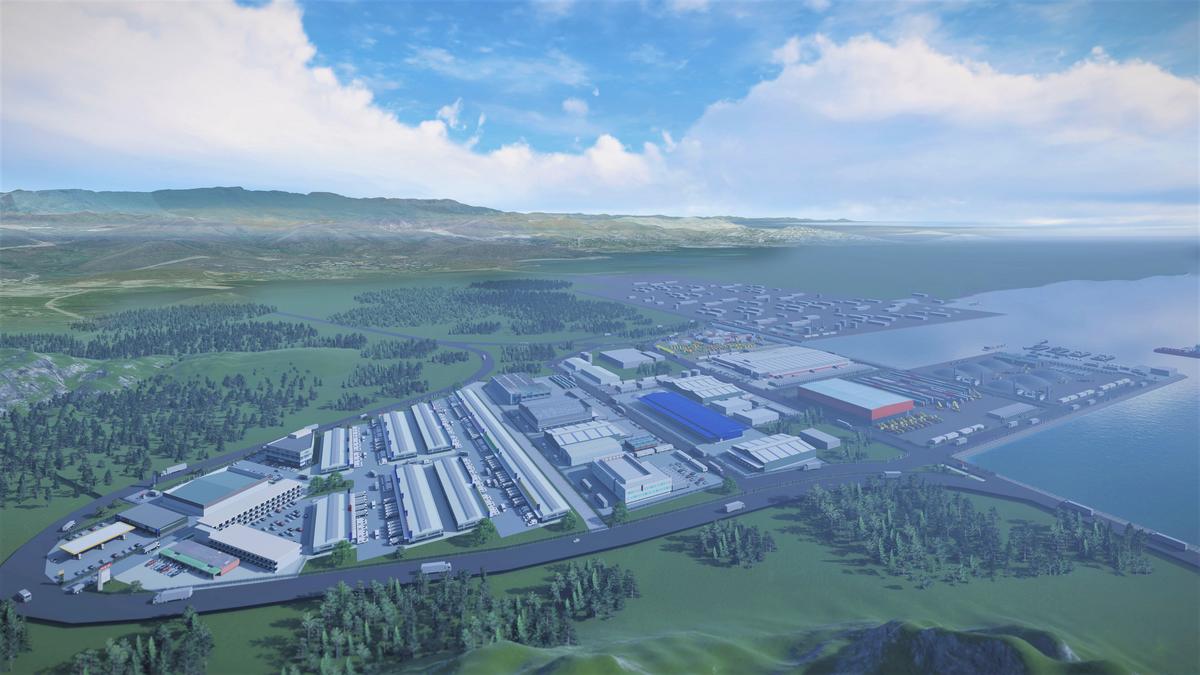
As per a news’s article by The PNG Business News published on the 3rd of June, 2023, Steamships have taken over Motukea North from the original owners, Curtain Bros LTD and plan to develop the 38-hectare site to the north-west of Motukea Wharf into Portside Business Park (“STEAMSHIPS ESTABLISHES PORTSIDE BUSINESS PARK” — News — PNG Business News).
SO WHAT IS THE PORT SIDE BUSINESS PARK?
Steamships Managing Director, Rupert Bray, said “We see the Portside Business Park precinct as the future industrial and commercial hub for Port Moresby. Steamships is proactively working with the respective PNG Government agencies to have Portside Business Park become a Special Economic Zone. This industrial park has the potential to become the catalyst for economic development in both the resource and non-resource sectors.” Mr. Bray added that “Consistent with the PNG Government’s National Development Goals, Portside Business Park will not only generate economic activity but also promote downstream processing, manufacturing and the export of local goods and services, encourage domestic and international investment, create employment, and develop infrastructure.”

Image 2: Image 2, from left to right: Patrick Duckworth, Managing Director, Tininga Group of Companies and Steamships MD Rupert Bray (“Wonye Dobel Project Phase II Underway ” — News — PNG Business News)
“As per the above-mentioned new article, “It will be a mixed-use industrial development with three core zones – an Industrial Zone with a wharf and open-yard storage; a Light Industrial Zone with warehouses and flexible warehouse with office mezzanines; and a Commercial Zone for supermarkets, petrol stations, banks and ATMs, primary healthcare, food & beverage outlets, a business hotel, and other businesses that support the locators at Portside Business Park etc.”
WHAT JOBS CAN WE EXPECT TO BE CREATED FROM THE PORT SIDE BUSINESS PARK?
The Portside Business Park project, as described in the article, is a mixed-use industrial development with three core zones: an Industrial Zone, a Light Industrial Zone, and a Commercial Zone. Such a project is likely to create a variety of jobs across different sectors. Here are some of the jobs you can expect to be created from this project:
The exact number and types of jobs created will depend on the size and scope of the Portside Business Park project, as well as the specific businesses that choose to locate there. Additionally, local economic conditions and regulations will also play a role in determining the job market in the area. But since PNG already has a high number of jobseekers, getting the people employed by the project won’t be a problem at all, as we estimate that hundreds of people in Port Moresby and Central Province will benefit greatly through employment opportunities with the Portside Business Park.
None of the articles we’ve researched have stated the estimated time of commencement for the project but we’ll definitely advise you should we hear about it.
Do subscribe for our latest blog updates, add us on LinkedIn or Facebook and drop a comment below to let me know your thoughts on this blog. Thanks for reading……#WokEmWok #ThePNGRecruiter

The PNG Business News reported on 29th September 2023 that Steamships and Tininga Group of Companies have signed an agreement to continue with Phase II of the Wonye Dobel Project in Mt Hagen, PNG’s 3rd largest city in the Western Highlands Province ( “Wonye Dobel Project Phase II Underway ” — News — PNG Business News ).
According to the news article mentioned, The Wonye Dobel Joint Venture will house a Bank South Pacific (already housed), and future developments such as supermarkets, restaurants, homeware, and retail stores as well as government and financial agencies. The project is currently being managed by Steamships Property Division, Pacific Palms Property.
Thus, from the above-mentioned developments, here are some of the types of jobs that could be created from the mentioned developments:
2. Restaurant and Hospitality Jobs:
3. Supermarket Jobs:
4. Government and Financial Agencies:
5. Property Management and Maintenance:
6. Security and Safety Personnel:
7. Construction Jobs (during the development phase):
8. Marketing and Advertising:
9. Administrative and Support Roles:
10. Homeware and Retail Stores:
11. Transport and Logistics:
12. IT and Technology Support:
Image 2, from left to right: Patrick Duckworth, Managing Director, Tininga Group of Companies and Steamships MD Rupert Bray (“Wonye Dobel Project Phase II Underway ” — News — PNG Business News)
These are just some examples, and there could be many more specific roles depending on the scale and nature of the businesses that become part of the Wonye Dobel Joint Venture. The development has the potential to contribute significantly to the local job market and the overall economy.
Phase II of the Project was signed on September 29th, 2023, per the article stated by PNG Business News, so we estimate it to be completed before the end of next year, meaning vacancies should be advertised around or leading towards the end of next year. Constructions will be underway soon so we suggest Mt. Hageners to enquire with Pacific Palms Properties, Steamships or Tininga to find out how you can apply for construction roles there.
There’s been some serious business developments occurring in Mt. Hagen lately, starting off with the new Brian Bell Mt. Hagen Plaza opening last year and the new Vodafone Office opening, which probably has prompted Steamships to get into the fray of investment in Hagen as well. Expect more business to head into our Highlands region for investment purposes, we’ll keep you posted on any related job opportunities related to them.
Do subscribe for our latest blog updates, add us on LinkedIn or Facebook and drop a comment below to let me know your thoughts on this blog. Thanks for reading……#WokEmWok #ThePNGRecruiter
Post Courier have reported on the 26th of September 2023 that “PNG has the lowest participation of people in engaged in the Labour Mobility Scheme (LMS) in Australia and New Zealand to other smaller Pacific Island Countries” (Lower participation of PNG in the labour mobility scheme – Post Courier).
This news is a shock to us at The PNG Recruiter as with the ever-prevalent issue of unemployment in the country, we would have thought that PNG would have the biggest number of participants in the PALM scheme/LMS. We’ll do our best to get to the bottom of this but from the top of our heads, some factors we think are causing this that come to mind now would be the below:
1. High levels of Illiteracy in PNG amounts to slow time understanding requirements and completing relevant docs to take part in the schemes by participants, whom many of are from rural/remote areas with little or no education qualifications and school dropouts.
2. The long turnaround times it takes for NID’s, Passports and Visas to be completed to take part in these schemes.
3. Not enough awareness and marketing of the LMS/ PALM Schemes across the country to attract participants.
Theories 1 & 2 mentioned from us above can seriously demotivate a participant or future participants in the LMS / PALM Scheme. And we can attest to this from years of working in the recruitment industry.
Do comment below on what other reason’s you think is contributing to PNG’s low participation numbers in the LMS/ PALM Schemes.
Thanks to Post Courier for reporting this surprising news. #WokEmWok #ThePNGRecruiter #PALM #LaborMobilityScheme #PapuaNewGuinea