Hi PNG, thought we’d share this advert from today’s The National Newspaper, page 40, Classifieds section. More defined information here on how to apply correctly for the NATIONAL POPULATION CENSUS DATA COLLECTORS RECRUITMENT. HAVE A CAREFUL READ OF IT, FOLLOW INSTRUCTIONS ACCORDINGLY AND APPLY AS PER INSTRUCTIONS. All the best PNG!
According to the above article, “The Announcement was done during TotalEnergies Inaugural Suppliers Forum in Port Moresby (on the 4th of December, 2023) with businesses in PNG receiving comprehensive information on project packages during the early works period.”
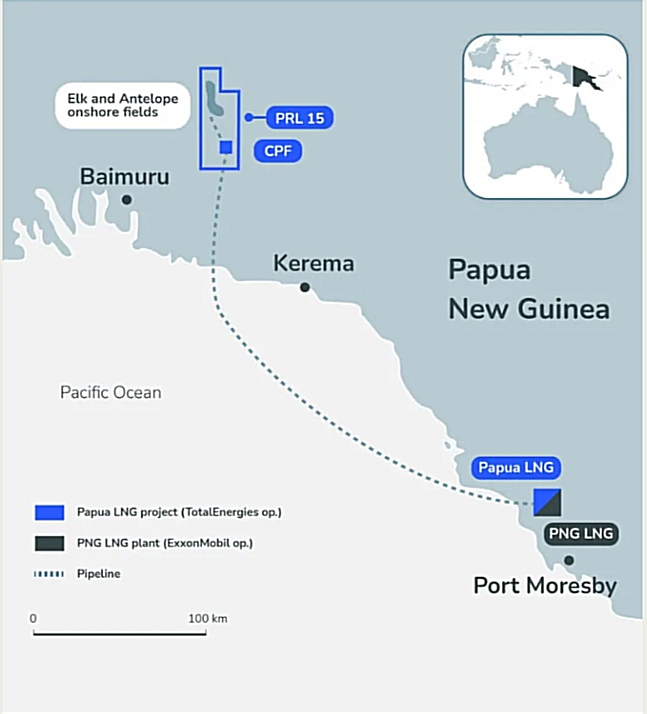
Image 1: Map of the Papua LNG Project Area. Taken from Papua LNG Website (https://papualng.com.pg/papua-lng/project/)
SO WHAT EXACTLY IS THE EPC STAGE OF AN LNG PROJECT AND WHAT DOES IT CONSIST OF?
Well the name says it all as mentioned above also, EPC is the Engineering, Procurement, Construction Phase of a Liquid Natural Gas Project and it consists of these 3 fields of expertise which are explained in more detail below:
Image 2: Taken from Papua LNG Website (https://papualng.com.pg/papua-lng/project/)
1. Engineering:
Detailed engineering design is carried out, including process design, equipment specifications, and overall facility layout. This phase ensures that all aspects of the project are well-defined before construction begins.
2. Procurement:
The necessary materials, equipment, and services are procured based on the engineering specifications. This involves sourcing, purchasing, and delivering all the components required for construction.
3. Construction:
The actual physical construction of the LNG facility takes place during this phase. It includes site preparation, foundation work, structural assembly, installation of equipment, and the construction of supporting infrastructure.
The EPC phase is crucial for turning the project’s conceptual design into a tangible and operational LNG facility. It aims to deliver the project on time, within budget, and meeting the specified quality and safety standards.
Image 3 taken from Papua LNG Website (https://papualng.com.pg/papua-lng/project/)
NOW, WHAT JOBS CAN WE EXPECT FROM VINCI CONSTRUCTION SPIECAPAG NIUGINI LIMITED (EPC PHASE CONTRACT WINNER OF THE PAPUA LNG PROJECT)?
Several job roles are critical for the successful completion of the Engineering, Procurement, and Construction (EPC) stage in a Liquid Natural Gas (LNG) project. Here are some key positions:
1. Project Manager: Oversees the entire project, ensuring that it stays on schedule, within budget, and meets quality and safety standards.
2. Engineering: Includes various engineers such as process engineers, mechanical engineers, electrical engineers, and civil/structural engineers responsible for detailed design and technical aspects.
3. Procurement Specialists: Handle the sourcing, purchasing, and delivery of materials and equipment needed for the project.
4. Construction ManagersandSkilledLabourers Manages on-site construction activities and Labourers, coordinating with various contractors and ensuring adherence to project specifications.
5. Health, Safety, and Environment (HSE) Specialists: Focus on maintaining a safe working environment and ensuring compliance with environmental regulations.
6. Quality Assurance/Quality Control (QA/QC) Inspectors: Monitor and assess the quality of construction work to ensure it meets established standards.
7. Schedulers and Planners: Develop project schedules, allocate resources, and plan activities to ensure timely completion.
8. Cost Estimators and Controllers: Estimate project costs and monitor expenditures to ensure the project stays within budget.
9. Logistics and Supply Chain Specialists: Manage the logistics of transporting materials and equipment to the construction site.
10. Site Supervisors: Oversee day-to-day construction activities on-site, coordinating with various contractors and ensuring progress aligns with the project schedule.
11. Metal Fabricators, Boilermakers and Welders:Metal Fabricators, welders and boilermakers contribute heavily to the fabrication and assembly of the intricate infrastructure needed for LNG projects. Their work is integral to ensuring the structural integrity and safety of the constructed facilities during the EPC stage. 12. Surveyors
Surveyors play a critical role in ensuring the accuracy and alignment of construction activities, contributing to the overall success of the EPC stage in LNG projects. I appreciate your inquiry, and it’s important to recognize the diverse roles that collectively make these projects successful.
13. Light and Heavy Vehicle Mechanics
Mechanics are indeed integral to the Engineering, Procurement, and Construction (EPC) stage of an LNG project. Their roles involve the maintenance, repair, and assembly of heavy machinery and equipment necessary for construction.
These roles collectively contribute to the successful execution of the EPC stage, each playing a crucial part in their respective areas of expertise.
14. Electricians
Electricians contribute significantly to the overall safety, functionality, and efficiency of an LNG project during the EPC phase. They will be required for installing safety systems, instrumentations, control systems, power systems and working closely with project engineers and managers
Image 5: Business Reps at the TotalEnergies Suppliers Forum at the Hitlon Hotel, December 4, 2023.
THE PNG RECRUITER’S HOT TIP:
If you’re interested in taking part in the EPC Stage
*Do research on Vinci Construction Terrassement SpieCapag Niugini Limited. Their background, history, where their Headquarters are, etc. We did research for them but couldn’t find a website but eventually information should be released to the public, most likely released when the job adverts for the project in 2024 via jobs boards or print media.
*Monitor all social platforms (LinkedIn, Facebook, etc.) they are on to keep up to date on vacancies for the EPC Stage of the Papua LNG
Those are our best tips we can give you but if you have any more you’d like to add on, do so in the comments here or whatever social platforms you see this posted on. Any discussion is healthy towards obtaining knowledge.
The next part of the project will be the Commissioning and Start Up Stage 2027 so we’ll be covering it when it happens or sooner.
Rugby League is the national sport of Papua New Guinea and for our country to have a team in the National Rugby League competition by 2025 would fulfill the dream of a Nation, as most would say.
Some would say also that we are not ready to have a team due to all the socio-economic hardships our people are facing now; that our government needs to actively resolve them first before pursuing such as it would be more wise and useful spending of funds to do so before massive amounts of money such as the above mentioned are pumped into this venture.
Well, should the bid be successful (thanks to the Australian Federal Government’s funding, which has turned the bid into the likely one to win the next NRL license) we need to be prepared for the job opportunities and businesses that can be generated from such a venture.
JOB OPPORTUNITIES TO BE CREATED FROM A SUCCESSFUL PNG NRL TEAM BID
Some of the job opportunities to be created from our NRL bid being successful are as listed below:
Team Management and Coaching Staff:
Head Coach
Assistant Coaches
Team Manager
Performance Analysts
Sports Scientists
Player Support and Development:
Player Development Officers
Talent Scouts
Youth Coaches
Physiotherapists
Nutritionists
Administrative Roles:
Team Administrator
Operations Manager
Marketing and Public Relations Specialists
Finance and Accounting Professionals
Legal Counsel for the Team
Event Management and Logistics:
Event Coordinator
Travel Coordinators
Logistics Managers
Venue Operations Staff
Medical and Health Services:
Team Doctors
Physiotherapists
Sports Massage Therapists
Sports Psychologists
Media and Broadcasting:
Media Relations Manager
Social Media Managers
Broadcast Production Crew
Journalists and Content Creators
Merchandising and Sales:
Merchandising Manager
Sales Representatives
E-commerce Specialists
Community Engagement:
Community Relations Officers
Youth Development Coordinators
Grassroots Rugby Coaches
Sponsorship and Partnership Development:
Sponsorship Managers
Partnership Development Officers
Corporate Relations Specialists
Technology and Analytics:
Data Analysts
Technology Support Staff
Performance Analysts
Security and Safety:
Security Officers
Safety and Compliance Officers
Medical Emergency Response Team
Hospitality and Fan Engagement:
Hospitality Managers
Fan Engagement Coordinators
Event Hosts and Ambassadors
This diverse range of roles spans across various sectors, providing a comprehensive overview of potential job opportunities arising from Papua New Guinea’s potentially successful bid in the National Rugby League competition.
But apart from direct employment creation, spin- effects will be felt positively in various sectors of the PNG Business Environment. Here below are a few of them we believe will experience a surge in business activity should our country enter the NRL:
Hospitality Industry: – Local restaurants, cafes, and bars may experience increased patronage from fans attending matches and related events.
Retail and Merchandising: – Local shops and businesses selling team merchandise can benefit from heightened demand for jerseys, memorabilia, and other fan gear.
Tourism and Accommodation: – Hotels, guesthouses, and other accommodations may see increased bookings as fans and teams travel to and from Papua New Guinea for matches.
Transportation Services: – Local transport services, including taxis, buses, and car rentals, may experience higher demand on game days and during team-related events.
Media and Advertising: – Local advertising agencies and media outlets can benefit from increased advertising and promotional activities associated with the NRL team.
Event Management Services: – Companies specializing in event planning, security services, and logistics stand to gain from organizing matches, fan events, and related activities.
Health and Wellness: – Local fitness centers, wellness facilities, and healthcare providers may experience increased engagement as the focus on sports and fitness grows with the presence of an NRL team.
Construction and Infrastructure: – Infrastructure development for stadiums or venue upgrades can boost local construction businesses and create job opportunities.
Technology and Entertainment: – Local technology providers and entertainment services may see increased demand for services related to fan engagement, ticketing, and broadcasting.
Sponsorship and Corporate Partnerships: – Local businesses that align with the team’s values and interests may find opportunities for sponsorship and partnerships, enhancing their brand visibility.
Community and Grassroots Sports: – Local sports clubs and organizations may experience increased support and participation as interest in rugby and related activities grows.
Education and Training: – Training programs for sports-related careers, such as coaching and sports science, may see higher enrollment as interest in rugby and sports management rises.
The positive impact on local businesses extends beyond the immediate sports and entertainment sector, fostering economic growth and community development.
What factors will make all the above mentioned thrive?
In order for all the above to work well, the below listed would be required on an ongoing basis to maintain consistency of high level results and success in the NRL and as a professional Rugby League Team:
Effective Marketing and Promotion: – Strategic marketing efforts to create awareness and build excitement around the team, its matches, and associated events are crucial for attracting fans and sponsors.
Community Engagement: – Active involvement in the local community, including outreach programs, youth development initiatives, and grassroots events, fosters a strong fan base and positive relationships.
Strategic Partnerships: – Building strong partnerships with local businesses, sponsors, and community organizations can enhance the team’s financial stability and contribute to the overall success of associated ventures.
High-Quality Fan Experience: – Ensuring an enjoyable and inclusive experience for fans during matches and events encourages repeat attendance and strengthens the team’s connection with its supporters, whom not only will be from Papua New Guinea but from around the Asia Pacific region and world.
Player Development and Performance: – Investing in the development of local talent, maintaining a competitive team, and achieving success on the field contribute to the team’s overall appeal and marketability.
Efficient Operations and Management: – Effective management of team operations, including finances, logistics, and administrative functions, is essential for long-term sustainability and success.
Innovative Technology Integration: – Leveraging technology for fan engagement, ticketing, broadcasting, and data analytics can enhance the overall experience and keep the team at the forefront of industry trends.
Corporate Social Responsibility (CSR): – Demonstrating a commitment to social and environmental responsibility through CSR initiatives strengthens the team’s reputation and connection with the community.
Strong Leadership: – Leadership that is visionary, adaptable, and capable of making strategic decisions is essential for navigating challenges and capitalizing on opportunities.
Effective Communication: – Transparent and open communication with fans, sponsors, and the community helps build trust and loyalty, contributing to the overall success of the team and associated businesses. E.g, either in a win or a loss, the club still has to front up to the media to discuss their performance to maintain professionalism with fans, the public and be great ambassadors of all their sponsors.
Infrastructure Development: – Investing in modern and well-equipped stadiums, training facilities, and infrastructure contributes to the team’s professionalism and attractiveness to fans, players, and sponsors.
Adaptability to Market Trends: – Staying informed and adaptive to evolving market trends, fan preferences, and industry changes allows the team and associated businesses to remain relevant and competitive. E.g, using social media platforms to leverage off current trends to maintain engagement with fans, increase product awareness for it’s sponsors to the wider NRL competition.
The synergy of these factors creates an environment where the team and local businesses can thrive, fostering economic growth and community development.
At the end of the day, this is will be a opportunity that can greatly affect all who are involved in the sport and all businesses that potentially can benefit for this venture. But ultimately, it has the potential to increase the prosperity of Papua New Guinea if it is managed well. Let’s see what happens…
It’s coming to the end of the year and between the month’s of early November 2023 to late January 2024 graduates will be undergoing Graduate Development Programs (GDP), seeking internships and on-job-trainings during the festive period.
Not sure what the requirements are these days for obtaining internships/OJTs with organisations but I am aware of a couple GDPs that require interested applicants to have a Grade Point Average (GPA) of 3.5 and above.
That would mean only the cream of PNG’s Universities will have a chance at entering GDP’s for those organisations offering it, which are arguably some of the best organisations to work for, in terms of benefits and salary packages on offer, career development and progression and so on.
So what happens to those who didn’t rise to the top to be with those who scored 3.5 and above GPAs? Where does the kid with a GPA of 2 go to since obviously they won’t be considered for any of the GDP’s out there now?
Compared to the fair number of kids who’ve scored the required GPA’s to be considered for GDP’s, I bet you there is an even higher number of university graduates who haven’t achieved that GPA. So what happens to these huge number of Graduates that meet this category?
To be frank, I was never a top scoring pupil in university. I always lined up all the Credits, Passes and Conceded Passes. And by the time I was able to graduate, I did with a GPA of 2. That made my experience as a recent university graduate one of the most toughest experiences in my life, as no employer wanted to hire a kid with what is considered “below average grades”.
It took 12 months before I could nail a job and that was through a friend from university who needed a temp to fill in for a staff who was going for their maternity leave. If I hadn’t established good contacts in university, I believe it would have taken a bit longer to have a found employment. Eventually I was made permanent, made the most of my chances and the rest is history. My story is just an example of an untapped pool of talent that’s been shunned by the system that’s ready and rearing for an opportunity to work: graduates who haven’t met the GPA requirements. I was one of them and I know their plight.
All the top organisations are busy fighting over the best talent in the country to join them through their GDP programs and they’re forgetting we have a whole heap of graduates who have the qualifications and have come from the same higher learning institutions the cream of the crop but are left behind due to missing a few points to their GPA’s.
A reminder to organisations in PNG to not forget that untapped pool of talent, if your struggling to compete against the big corporates for those top talents, why not give a chance to those kids with below 3.5 GPAs? I’m sure they’ll appreciate the opportunity, not demand too much pay, be fast in learning on the job and they’ll give their all. You tapping into this overlooked pool of talent will most likely save your organisation money, time and resources and ultimately, help relieve the country of it’s prevailing unemployment issue. #WokEmWok #ThePNGRecruiter
Papua New Guinea’s National Flag Carrier, Air Niugini, is set for a much-needed face-lift, as it’s Acting CEO, Mr. Gary Seddon, announced that the airline service will be upgrading their fleet plan to improve its efficiency, reliability and add on new international routes, before the end of 2024 through to 2028 (Massive fleet upgrade to transform Papua New Guinea’s Air Niugini – Business Advantage PNG)
Image 1: The Boeing’s 787 Dreamliner, due for delivery to Air Niugini in 2026. The aircraft is seen here on a test flight. Credit: Business Advantage PNG, Boeing
From this article, there are 11 specific factors mentioned that can create mass number of job opportunities to arise from Air Niugini’s fleet upgrade:
Aircraft Replacement and Upgrade: The plan to replace a significant portion of the existing fleet with new, more fuel-efficient aircraft models like the Boeing 787 Dreamliner, Airbus A220s, or Embraer E2190/195s will create opportunities for various roles related to the integration, maintenance, and operation of these new aircraft.
Expansion of Routes: The introduction of new aircraft and more fuel-efficient models will enable Air Niugini to add new international routes. This expansion will require additional pilots, flight crew, cabin crew, ground staff, and operational personnel to manage the increased number of flights and destinations.
Increased Flight Frequency: The airline’s focus on expanding the domestic network and increasing the frequency of flights will create demand for additional pilots, cabin crew, and ground crew to support the higher number of flights.
Aircraft Maintenance and Repair: The transition to a new fleet and the addition of new aircraft models will lead to an increased demand for aircraft maintenance and repair technicians to ensure the safe and reliable operation of the planes.
Logistics and Supply Chain Management: Managing the procurement, supply, and distribution of spare parts, components, and equipment for the new fleet will require skilled professionals in logistics and supply chain management.
Training and Skill Development: Introducing new aircraft types and technologies will necessitate training programs for existing and new staff members, creating opportunities for trainers and educators in aviation.
Operational Optimization: As Air Niugini evolves into a more robust regional and global player, there will be a need for aviation management and operations experts to optimize efficiency, safety, and compliance.
Marketing and Sales Expansion: The airline’s growth and new route offerings will require marketing and sales professionals to promote these services and attract passengers.
Environmental and Sustainability Initiatives: The emphasis on fuel efficiency, reduced carbon emissions, and sustainability will lead to opportunities for experts in environmental and sustainability initiatives within the aviation sector.
Customer Service Enhancement: With increased passenger volume, there will be a need for additional customer service representatives to handle reservations, inquiries, and assistance at various touchpoints.
Administrative Support: The significant transformation of the airline’s fleet and operations will necessitate administrative roles to manage documentation, contracts, compliance, and other administrative tasks.
Image 2: Staff of Air Niugini
These factors collectively contribute to the emergence of various job opportunities across different sectors of the aviation industry and related fields, driven by Air Niugini’s fleet upgrade and expansion plans.
Below are some of the job opportunities that will be created caused by the fleet upgrade:
From the news article about Air Niugini’s fleet upgrade, the following job opportunities can be created:
Aircraft Maintenance and Repair Technicians: With the plan to replace a significant portion of the existing fleet, there will be a demand for skilled technicians who can maintain and repair the new aircraft, ensuring their safe and efficient operation.
Pilots and Flight Crew: The addition of new aircraft types and expansion of routes will require a larger pool of pilots and flight crew to operate these planes and manage the increased flight frequency.
Cabin Crew and In-Flight Services: As the airline expands its operations and introduces new aircraft, there will be a need for more cabin crew members to provide in-flight services and ensure passenger safety and comfort.
Ground Crew and Airport Staff: The increased number of flights and aircraft will require additional ground crew and airport staff to handle tasks such as baggage handling, aircraft servicing, and passenger assistance.
Aircraft Engineers: Introducing new aircraft models to the fleet may require specialized aircraft engineers to oversee the integration, modifications, and maintenance of these aircraft.
Aircraft Design and Manufacturing Engineers: If the airline decides to replace its existing Fokker aircraft with new models like the Airbus A220s or Embraer E2190/195s, there will be opportunities for engineers involved in aircraft design, manufacturing, and certification.
Logistics and Supply Chain Personnel: Managing the transition to a new fleet and ensuring a smooth supply of spare parts and components for maintenance will require personnel skilled in logistics and supply chain management.
Aviation Management and Operations: With the airline’s expansion plans and transition to a more modern fleet, there will be a need for aviation professionals to manage and optimize operations, safety, and regulatory compliance.
Sales and Marketing Professionals: As Air Niugini aims to become a regional and global player, there will be opportunities for sales and marketing professionals to promote the new routes and attract passengers.
Training and Development Specialists: Introducing new aircraft types and technologies will require training programs for existing staff to ensure they are proficient in operating and maintaining the new equipment.
Environmental and Sustainability Experts: With a focus on fuel efficiency, reduced carbon emissions, and sustainability, there could be roles for experts in environmental initiatives within the aviation industry.
IT and Technology Specialists: Modern aircraft come with advanced avionics and communication systems. Hiring IT and technology specialists can help manage and maintain these systems.
Customer Service Representatives: With an increase in passenger volume due to expanded operations, the demand for customer service representatives at various touchpoints, including reservation centers and airports, may rise.
Administrative and Support Roles: As the airline undergoes a significant transformation, administrative roles will be needed to manage various aspects of the transition, including documentation, contracts, and compliance.
These are just a few examples of potential job opportunities that can arise from Air Niugini’s fleet upgrade and expansion plans. The growth and development of the airline can lead to a wide range of employment prospects across various sectors of the aviation industry and related fields.
In regard to business in related fields, several businesses not directly associated with Air Niugini will also benefit from the airline’s fleet upgrade in Papua New Guinea. These businesses can experience indirect positive impacts due to increased tourism, economic growth, and improved connectivity. Some of the businesses that may benefit include:
Hotels and Accommodation: As Air Niugini expands its international and domestic routes, there may be a boost in tourism and business travel. This can lead to increased demand for hotels, resorts, and other accommodation options near airports and popular destinations.
Restaurants and Dining Establishments: More tourists and travelers mean increased business for restaurants, cafes, and dining establishments in the areas served by Air Niugini. These businesses can benefit from the influx of passengers and crew.
Tourism and Tour Operators: Improved connectivity can lead to an uptick in tourism activities. Tour operators, travel agencies, and tourism-related businesses can benefit from the increased flow of tourists to Papua New Guinea.
Transportation Services: Taxi services, car rental companies, and transportation providers that serve airports and travel hubs may experience increased demand as passenger numbers grow.
Retail and Shopping: Airports often have retail stores and duty-free shops. With more passengers traveling, there could be increased sales for businesses operating in these locations.
Travel Insurance Providers: As travel becomes more accessible and the number of travelers increases, travel insurance providers may see a rise in policy sales.
Local Artisans and Souvenir Shops: Tourists often purchase locally-made souvenirs and crafts. This can benefit local artisans and souvenir shops near popular tourist destinations.
Agricultural and Food Suppliers: Restaurants and airlines require a steady supply of food and beverages. Local food suppliers and agricultural businesses may see increased demand.
Transport and Logistics Companies: Companies involved in transporting goods and supplies to and from airports may experience growth due to increased airline activity.
Advertising and Marketing Agencies: The airline’s expansion may lead to increased competition in the travel industry. As a result, advertising and marketing agencies may find more business from airlines and related travel companies seeking to attract passengers.
Real Estate and Property Developers: The growth of tourism and business travel can stimulate real estate development, particularly near airports and tourist destinations.
Financial Services: Banks and financial institutions may see increased transactions related to travel, currency exchange, and financial services for tourists and business travelers.
Language Translation Services: Increased international travel can lead to greater demand for language translation and interpretation services, especially for communication with tourists from diverse backgrounds.
Medical Services: The expansion of air travel can also lead to an increased need for medical services, including hospitals, clinics, and emergency medical services to cater to the health needs of travelers.
Security Services: With an increase in passenger traffic, security companies may see growth in contracts related to airport security and safety.
Image 3: Local and International Cuisine served by Air Niugini Staffs at an event
While these businesses may not be directly owned or operated by Air Niugini, they can benefit from the airline’s fleet upgrade by tapping into the economic opportunities that come with increased travel, tourism, and connectivity in the region: A definite win/win situation for all Papua New Guinea job seekers and businesses.
Thus, if you have a qualification or experience in any of these opportunities listed above, I urge you to monitor the newspapers, news on tv, social media platforms, jobs boards, etc. for news updates on Air Niugini’s recruitment drive. This will affect every province in PNG and country where Air Niugini flies to.
But as your trusted PNG Recruiter, we’ll definitely give you the heads up as soon as we see anything relating to Air Niugini Recruitment.
Let me know your thoughts by commenting on this blog or anywhere you see this blog posted. Until next time, #WokEmWok #ThePNGRecruiter
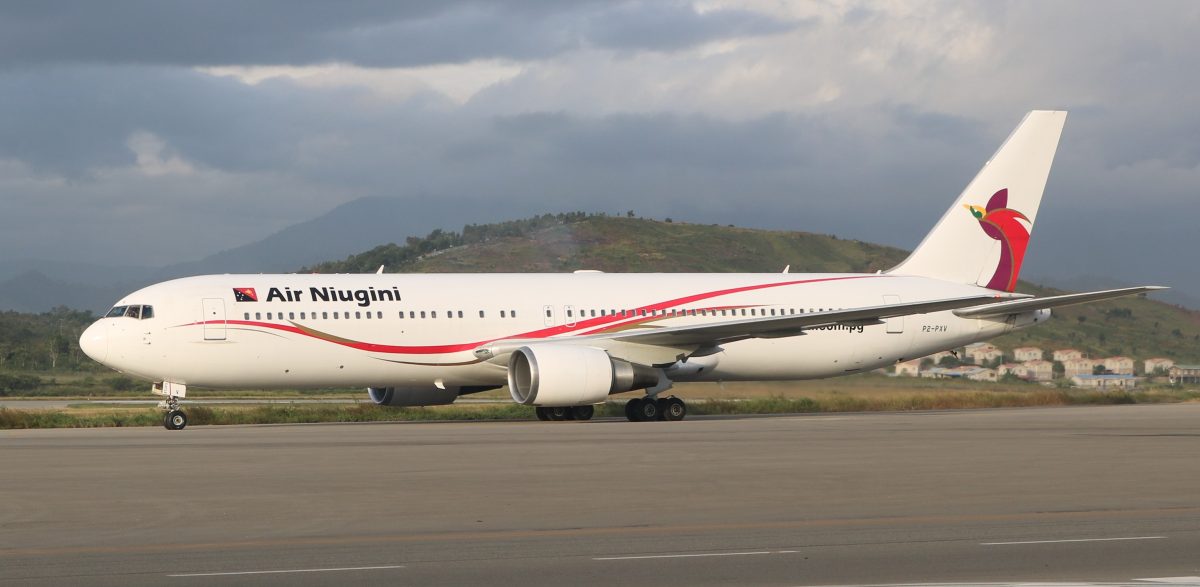
Image 4: One of the many airplanes soon to be replaced by Air Niugini